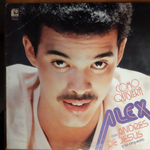
Biography
Alejandro Wigberto Bueno López (born September 6, 1963 in San José de las Matas, Dominican Republic; died June 18, 2026 in New York), known professionally as Alex Bueno and nicknamed "El Mayimbito" ("The Little Chief") or "El Ruiseñor de La Sierra" ("The Nightingale of the Ridge"), was a Dominican singer and guitarist. Recognized by critics and fellow musicians as "the singers' favorite singer" due to his pristine natural pitch and vocal versatility, Bueno had a career spanning more than four decades across merengue, bachata, bolero, romantic ballad, and salsa.
Early Life and Musical Beginnings
Alex Bueno was born at the Clínica Corominas in the city of Santiago de los Caballeros and raised in the municipality of San José de las Matas. He grew up in a deeply musical family: his parents (Santiago Bueno and Francisca López) sang and played instruments, while several of his uncles and cousins were local guitar and music instructors.
At age six, he taught himself to play the guitar. During his childhood, he sang in the church choir and performed at school festivals and local community events. In his youth, he joined local groups in San José de las Matas, including Los Nietos del Rey, Johnny Klater y su tumbao, and Los Alegres del Verdún.
His national breakthrough came after winning the Festival Beduino, a talent contest organized by renowned maestro Wilfrido Vargas. At just 15 years old, Bueno moved alone to the capital city of Santo Domingo, enduring severe financial hardship and tough living conditions while pursuing a professional career in music.
Musical Career
Professional Beginnings and Fernando Villalona's Orchestra (1979–1982)
In 1979, Bueno was recruited by bandleader Gerardo Veras to join the Santo Domingo All Stars, where he recorded his first commercial tracks. Shortly thereafter, he joined the orchestra of merengue legend Fernando Villalona. During his three years with Villalona's band, Bueno gained massive popularity with hit tracks such as «Piel Canela» and «Amada mía». Due to his vocal style and public impact, the media dubbed him "El Mayimbito", referencing Villalona’s famous moniker, "El Mayimbe".
Orquesta Liberación and Solo Success (1982–1990)
In 1982, when Villalona temporarily took a break from the stage, Alex Bueno teamed up with arranger and saxophonist Andrés de Jesús, güiro player Manuel "La Güira", and two other musicians to form Orquesta Liberación. With Bueno as the lead vocalist and frontman, the group achieved immediate commercial success with albums and hit singles such as «Cómo quisiera», «Por qué solo a tu lado», «Colegiala», «Querida», «Qué cara más bonita», and «Sigue tu vida».
Throughout this era, he consistently topped radio charts, becoming one of the major hitmakers during the golden age of Dominican merengue.
Genre Diversification: Ballads, Bachata, and Salsa (from 1990)
In the early 1990s, Bueno shifted toward romantic music with his ballad and bolero album Ternuras (1992), produced by Manuel Tejada. The record was a major commercial hit, placing multiple singles on Latin music charts internationally.
He subsequently demonstrated his vocal adaptability by entering the romantic bachata market with successful albums including Corazón Duro (1999), Bachata a su Tiempo (1999), and Únicamente Tú (2001). He also recorded salsa tracks and collaborated with prominent Latin music arrangers and producers, such as Ramón Orlando, Mártires de León, and Robin Hernández.
In studio recording sessions, Bueno became known for his ability to record complex tracks in a single take (first take) without needing vocal correction or digital editing, possessing perfect pitch and natural vocal control.
Legacy and Musical Style
Alex Bueno is widely regarded as one of the most complete vocalists the Caribbean has produced. Despite lacking formal academic training in sight-reading or music theory, he had a wide vocal range, a clear timbre and impeccable pitch. His repertoire spans:
Merengue: «Colegiala», «Querida», «La radio», «Piel canela».
Ballad & Bolero: «Ternuras», «Ese hombre soy yo».
Bachata: «Busco un confesor», «Alguien cantó», «Esa mujeril».
Interviews & Documentaries
Interviews, conversations, and archival media connected to this artist.

La última entrevista

Tony Dandrades
June 18, 2026

Mi mamá me botó de la casa

JUNIOR CABRERA
March 11, 2026

De tocar fondo a levantarse

Telemicro
September 21, 2025

La Leyenda Detrás de la Voz

10 PREGUNTAS CON JUNIOR CABRERA
June 22, 2024

Entrevista especial

Énfasis con Iván Ruiz
June 01, 2024

La Historia jamás contada

El Dotol Nastra
February 15, 2021

Entrevista Histórica

Silvio Mora
February 08, 2021

Alex Bueno habla de su adicción

Altanto TV
January 28, 2020
Discography
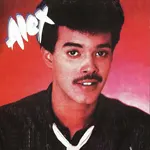
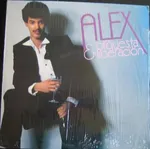
Alex & Orquesta Liberación
1985 · Album · 10 tracks
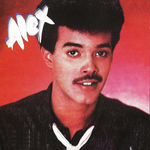
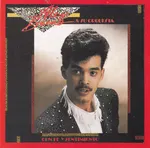
Con fe y sentimiento
1988 · Album · 8 tracks
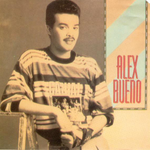
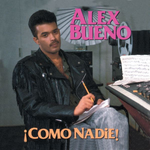
¡Como nadie!
1992 · Album · 8 tracks
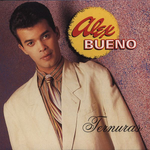
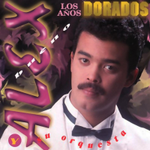
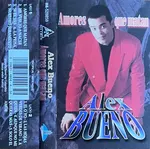
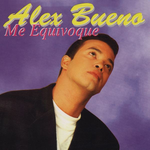
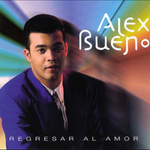
Regresar al amor
1996 · Album · 14 tracks

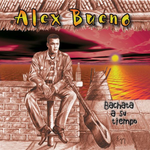
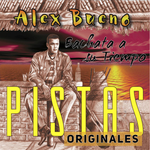
Bachata a su tiempo (Pistas originales)
1998 · Album · 11 tracks
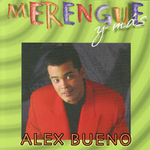
Merengue y más
1998 · Album · 11 tracks
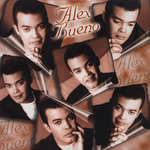
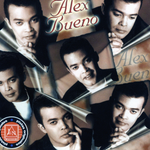
Corazón duro (Pistas originales)
2000 · Album · 11 tracks

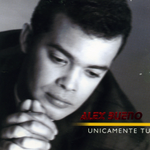
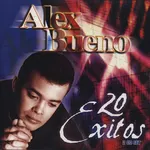
20 Exitos: Alex Bueno, Vol. 1 & 2
2002 · Album · 20 tracks
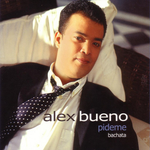

Que vuelva
2002 · Album · 16 tracks
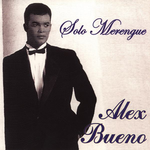
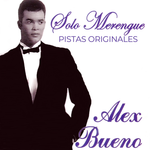
Solo merengue (Pistas originales)
2002 · Album · 9 tracks

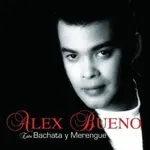
Entre bachata y merengue
2005 · Album · 13 tracks
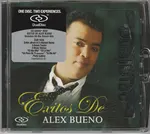
Éxitos de Alex Bueno
2006 · Album · 12 tracks
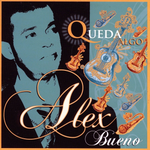

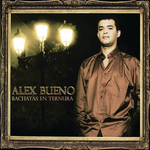

Mega MixHits
2012 · Album · 18 tracks

Uniquehits
2014 · Album · 10 tracks


Tranquilo y tropical
2015 · Album · 16 tracks

Diferente
2017 · Album · 9 tracks
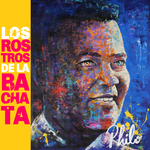
Los rostros de la bachata
2017 · Album · 35 tracks

4x4 en salsa, vol. 1
2019 · Album · 16 tracks
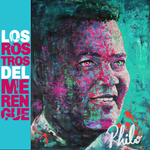
Los rostros del merengue
2019 · Album · 21 tracks
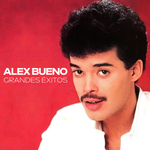
Grandes éxitos
2022 · Album · 30 tracks

40 años de éxitos
2023 · Album · 25 tracks

El más completo
2025 · Album · 15 tracks

Elizabeth (remix)
2019 · Single · 1 track

Caminito de Guarenas
2020 · Single · 1 track

Gozar la vida
2020 · Single · 1 track
Nuestro amor
2020 · Single · 1 track

En esta Navidad
2021 · Single · 1 track

Lluvia y samba
2021 · Single · 1 track

Con el alma desnuda
2022 · Single · 1 track

Confesión
2022 · Single · 1 track

No te olvidaré
2022 · Single · 1 track

Que vuelva
2022 · Single · 1 track

Déjame vivir
2023 · Single · 1 track

Hipócrita
2023 · Single · 1 track

Tiemblas
2023 · Single · 1 track

Colegiala (sinfónico)
2024 · Single · 1 track

DE NADA VALE
2024 · Single · 1 track

Popurrí de bachatas
2024 · EP · 1 track