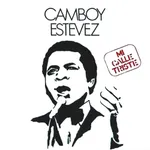
Mi Calle Triste
1980 · album · 10 tracks
Octavio Camboy Estévez, known as Camboy Estévez, is a Dominican bolero singer from the Bella Vista neighborhood of Santiago de los Caballeros, whose «Mi Calle Triste» became one of the best-known romantic songs in Dominican popular music. He first became known as a lead voice of Primitivo Santos y su Orquesta, has recorded as a soloist since 1973, and has lived in the United States for many years.
Origins and training
Estévez was born on 8 December 1944 in Bella Vista, Santiago de los Caballeros. In his youth he studied singing in Santo Domingo, at the Escuela Nacional, and was noted for the power of his voice. As a teenager he joined the orchestra of Primitivo Santos.
With Primitivo Santos
Around 1960 he took part, together with Rafaelito Cruz and Tito Contreras, in «A Petición», an album of Primitivo Santos's combo that includes «Unión Eterna», a song that became one of his signatures. In 1965 the orchestra traveled to the United States for a series of engagements and settled in Washington. In 1967 it released «Primitivo y su Combo en Washington» on Montilla Records, with guarachas, boleros, danzones, and merengues sung by Estévez, among them «El Manicero», the Beatles' «Yesterday», «Lucía», «Terneza», «Juanita Morel», and «Brunilda». «Lucía» has lyrics by Joaquín Balaguer. For the orchestra's second album he composed «Apóyate en Mí».
Solo career
In the early 1970s he began recording on his own with an entirely romantic repertoire devoted to the bolero. In 1973 he released «Qué Pasa Entre los Dos» on Montilla, with songs such as «Amar, Amando», «Si Por Cosas Que Tiene la Vida», «Te Quiero Pero Me Arrepiento», and «Ternura de Ayer». It was followed by «El Fruto de Nuestro Amor» in 1974, with pieces by Armando Patrono, King Clave, and José Luis Perales, and «Sin Tu Amor Soy un Cobarde» in 1976 for Algar Records. His later albums include «Mi Mundo Romántico», «Motivos», «Cantor de Oficio», recorded with Primitivo Santos, and several collections around «Mi Calle Triste».
«Mi Calle Triste», written by the Santiago composer Leonel Sánchez, is about a street in Bella Vista. His other best-known recordings include «Unión Eterna», «Hoy No Estoy Para Nadie», «Ven, Te Quiero Todavía», «El Fruto de Nuestro Amor», and «Los Caminos de la Vida», a vallenato fused with Antillean rhythm, and he also popularized in the Dominican Republic a Spanish-language adaptation of «Yesterday» known as «Fue un Ayer».
Recognition
In August 2021 the Dominican consul general in New York, Eligio Jáquez, presented him with a scroll recognizing his contribution to Dominican culture. In February 2024 the Ayuntamiento de Santiago honored him with a mural in Bella Vista, at the corner of Emilio Prud'Homme and the Marginal, near the street that inspired «Mi Calle Triste», together with a distinction from the Sala Capitular. In July 2026 he was named honorary marshal of the Gran Parada Dominicana del Bronx and received a recognition from the New York State Assembly through the assemblywoman Yudelka de la Rosa.
Recent work
Estévez has kept performing in the Dominican Republic and abroad. He released the single «Que Bello Es Este Mundo» in 2024 and «Nueva York», a song written for the city where he lives, in February 2026, with a video in April. In July 2026 he released the album «Camino a los 90», which marks more than six decades in music and combines new songs with new versions of songs from his career, with arrangements by Herodys Ureña.
1980 · album · 10 tracks

1990 · album · 19 tracks

2011 · compilation · 20 tracks