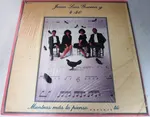
Mientras más lo pienso .......tú
1986 · Album · 8 tracks
Juan Luis Guerra Seijas (born 7 June 1957) is a Dominican singer, songwriter, producer, and multi‑instrumentalist whose work has reshaped the landscape of contemporary Latin music. Known for his sophisticated fusion of merengue, bachata, jazz, pop, and Afro‑Caribbean rhythms, Guerra is widely regarded as one of the most influential Latin American musicians of the late twentieth and early twenty‑first centuries.
Early Life and Education
Guerra was born in Ciudad Trujillo—now Santo Domingo—in the Dominican Republic. Unlike many prominent Dominican musicians, he did not grow up in a household with a formal musical tradition. His father was an athlete who played baseball and basketball, and no members of the family were known to sing or play instruments. Despite this, Guerra developed an early interest in music, performing in his school choir and teaching himself guitar by the age of sixteen.
He initially enrolled in university studies in philosophy before redirecting his academic path toward music. Guerra attended the National Conservatory of Music in Santo Domingo, where he received foundational training in theory and performance. His formal development continued at the Berklee College of Music in Boston, where he studied jazz composition under scholarship. Berklee played a decisive role in shaping his artistic identity, grounding him in jazz harmony and arrangement while reinforcing his interest in Caribbean musical forms.
Career Beginnings and 4.40
In 1984, Guerra co‑founded the group 4.40 with Roger Zayas‑Bazán, Maridalia Hernández, and Mariela Mercado. The ensemble released its debut album, Soplando, which presented a modernized interpretation of folk merengue and introduced Guerra’s emerging compositional voice. The project blended Dominican rhythms with jazz‑inflected arrangements, signaling the stylistic direction that would define his later work.
Breakthrough and International Recognition
Guerra’s rise to prominence occurred through a series of increasingly ambitious albums. Ojalá que llueva café (1989) established him as a major figure in Caribbean popular music, combining poetic lyricism with merengue and Afro‑Latin rhythms. His subsequent album, Bachata Rosa (1990), marked a watershed moment in Latin music. Selling more than nine million copies worldwide, it earned Guerra his first Grammy Award and introduced bachata to a global audience.
Historically, bachata had been marginalized within Dominican society, associated with rural poverty and urban working‑class communities. Guerra’s polished arrangements and lyrical sophistication helped reposition the genre, elevating its cultural status and expanding its international reach.
Throughout the 1990s, Guerra continued to experiment with form and genre. Areíto (1992) adopted a more reflective tone, Fogárate (1994) incorporated elements of South African soukous, and Ni es lo mismo ni es igual (1998) blended merengue with rap and contemporary pop influences. His work during this period demonstrated a consistent commitment to innovation and cross‑cultural musical dialogue.
Artistic Influences and Musical Style
Guerra’s influences span a wide range of musical traditions, including the Beatles, American rock, jazz, R&B, folk, and Dominican popular genres. His compositions are characterized by:
intricate harmonic structures rooted in jazz,
rhythmic interplay drawn from Caribbean and African traditions,
melodic phrasing shaped by pop and folk sensibilities,
and a distinctive tenor voice noted for clarity and expressive nuance.
His arrangements often integrate brass, strings, and layered vocal harmonies, reflecting both his formal training and his interest in orchestral color.
Spiritual Transformation and Christian Music
In the mid‑1990s, Guerra underwent a born‑again Christian conversion, a personal transformation that significantly influenced his later songwriting. Although he continued to produce secular merengue, bachata, and socially conscious music, his faith became an important thematic lens in his work.
This shift culminated in the release of Para Ti (2004), his first fully Christian album. Recorded between Miami and Santo Domingo, the project incorporated gospel, ballads, salsa, and merengue, with lyrics centered on devotion, worship, and spiritual renewal. The album achieved notable commercial success, receiving airplay on mainstream tropical radio and earning multiple awards, including two Latin Grammys.
Scholarly analysis of Guerra’s religious music has identified recurring themes of sanctification, praise, and theological reflection. Songs such as “Mi Jesús” exemplify his direct engagement with Christian doctrine and personal testimony.
Continued Work and Social Engagement
Over a career spanning more than four decades, Guerra has maintained a presence at the forefront of Latin popular music. His catalog includes explorations of social issues, cultural identity, and Caribbean history, alongside romantic and spiritual themes. He has sold more than 30 million records worldwide and remains one of the most decorated artists in Latin Grammy history.
Beyond his musical output, Guerra has established philanthropic initiatives supporting children in the Dominican Republic and has used his public platform to advocate for poverty reduction and peace throughout Latin America.
Legacy
Juan Luis Guerra is widely recognized as a transformative figure in Latin music. His work elevated bachata to international prominence, expanded the expressive possibilities of merengue, and introduced a sophisticated fusion of jazz and Caribbean rhythms into mainstream popular music. His artistic evolution—from secular innovator to spiritually driven composer—has contributed to a body of work noted for its cultural impact, musical depth, and enduring influence.
1986 · Album · 8 tracks
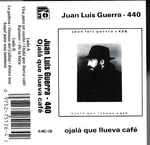
1989 · Album · 8 tracks
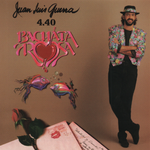
1990 · Album · 10 tracks
1990 · Album · 8 tracks
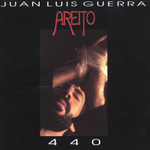
1992 · Album · 12 tracks
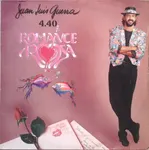
1992 · Album · 11 tracks
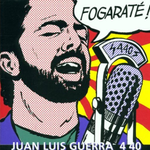
1994 · Album · 12 tracks

1995 · Album · 20 tracks
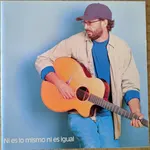
1998 · Album · 11 tracks
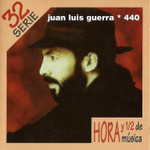
2000 · Album · 24 tracks
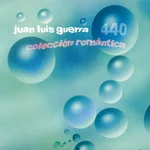
2000 · Album · 10 tracks
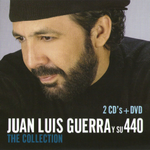
2000 · Album · 35 tracks
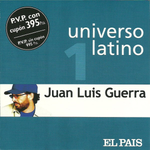
2001 · Album · 10 tracks
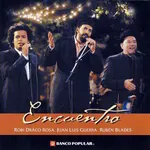
2002 · Album · 17 tracks
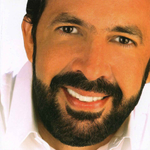
2004 · Album · 11 tracks
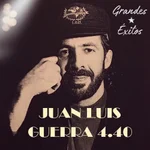
2006 · Album · 18 tracks
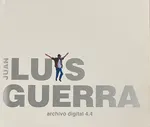
2007 · Album · 18 tracks
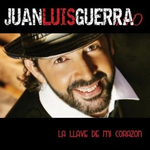
2007 · Album · 14 tracks
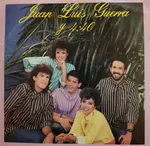
2007 · Album · 12 tracks
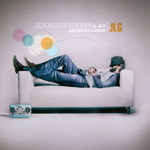
2010 · Album · 11 tracks
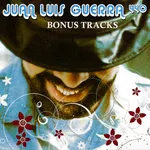
2010 · Album · 13 tracks
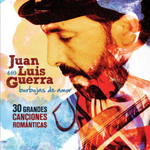
2010 · Album · 30 tracks
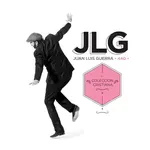
2012 · Album · 11 tracks
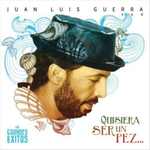
2012 · Album · 30 tracks
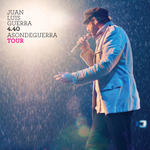
2013 · Album · 14 tracks
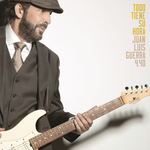
2014 · Album · 10 tracks
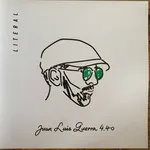
2019 · Album · 11 tracks
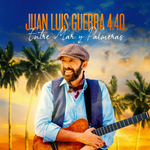
2021 · Album · 16 tracks
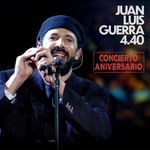
2023 · Album · 15 tracks

2024 · Album · 41 tracks
2025 · Album · 50 tracks
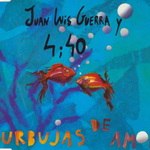
1990 · Single · 3 tracks
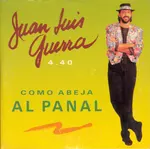
1990 · Single · 2 tracks
1990 · single · 2 tracks
2007 · Single · 1 track
2007 · Single · 1 track
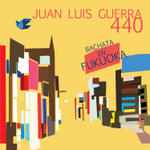
2010 · Single · 1 track
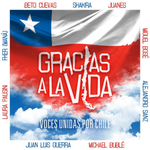
2010 · Single · 1 track

2011 · Single · 1 track
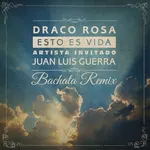
2013 · Single · 1 track
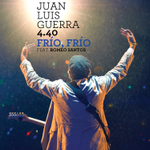
2013 · Single · 1 track

2014 · Single · 1 track
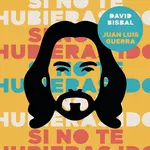
2017 · Single · 1 track

2019 · Single · 1 track

2019 · Single · 1 track

2019 · Single · 1 track
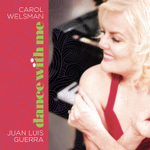
2020 · Single · 1 track

2020 · Single · 1 track
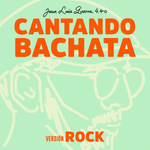
2021 · Single · 1 track
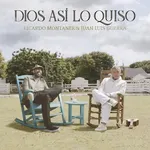
2021 · Single · 1 track
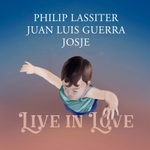
2021 · Single · 1 track
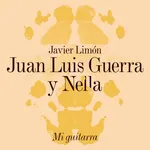
2021 · Single · 1 track

2021 · Single · 1 track
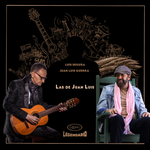
2022 · Single · 1 track
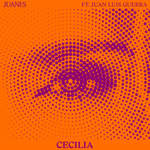
2023 · Single · 1 track
2023 · Single · 1 track
2023 · Single · 1 track
2023 · Single · 1 track
2024 · Single · 1 track

2024 · Single · 1 track
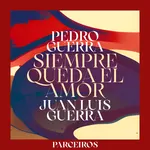
2024 · Single · 1 track
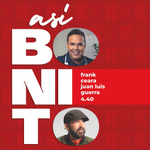
2025 · Single · 1 track
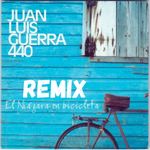
2025 · Single · 1 track
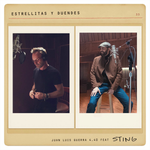
2025 · Single · 1 track
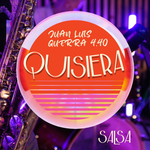
2025 · Single · 1 track
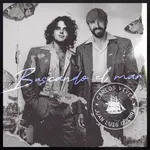
2026 · Single · 1 track

2020 · EP · 5 tracks
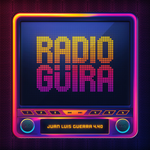
2023 · EP · 6 tracks