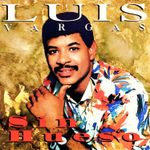
Biography
Luis Vargas (born May 23, 1961, in Monte Cristi, Dominican Republic) is a Dominican bachata singer, guitarist, and songwriter recognized as one of the principal architects of modern bachata. Known as “El Rey Supremo,” he played a decisive role in transforming the genre from a marginalized rural tradition into a respected and internationally recognized musical form. His recordings from the late 1980s and throughout the 1990s are considered foundational within the bachata canon.
Early Life and Background
Vargas was born in the rural province of Monte Cristi, where he experienced economic limitations and a childhood divided between the homes of his separated parents. His interest in music began at age nine, inspired by local musicians such as Marcelo and, most significantly, Olivio Acosta, who became a central figure in his early musical development.
Vargas learned guitar informally, accompanying Acosta in performances across towns, villages, and agricultural communities. This period shaped his understanding of Dominican popular music and provided the foundation for his later innovations.
Musical Formation and Influences
During adolescence, Vargas was strongly influenced by Blas Durán, one of the earliest bachata guitarists to incorporate electric elements into the genre. Vargas initially imitated Durán’s style until Durán advised him to develop his own musical identity—a guidance that marked a turning point in Vargas’s artistic direction.
One of Vargas’s most significant contributions was the electrification of the acoustic bachata guitar. He modified acoustic guitars by installing electric pickups and replacing nylon strings with steel strings, producing a bright, metallic tone that would later become a defining characteristic of modern bachata. This innovation influenced the sound of the genre for decades.
Professional Beginnings
Vargas recorded his first LP in the early 1980s, still rooted in traditional bachata. His breakthrough came in 1989, when he signed with José Luis Records, a label based in La Vega. His first major release with the company included «El Tomate», a song that achieved widespread popularity and established him as a rising figure in the genre.
Other early songs that gained significant traction include:
«La Mujer Que Más Me Duele»
«La Pasaré»
«La Mesa del Rincón»
«Ceniza Fría»
These tracks became staples of Dominican dance halls and radio programming, contributing to the growing acceptance of bachata during a period of social stigma.
Rise to Prominence
Throughout the 1990s, Vargas became one of bachata’s most influential artists. His style was characterized by:
A bright, metallic guitar tone
Rhythmic patterns that blended traditional bachata with merengue influences
Lyrics drawn from personal experiences
A vocal delivery marked by intensity and distinctiveness
His music circulated widely in the Dominican Republic, the United States, and Europe, expanding bachata’s international reach.
Cultural Context and Historical Role
Vargas emerged during a time when bachata faced significant social prejudice in the Dominican Republic. His success contributed to the genre’s legitimization and paved the way for artists such as Antony Santos, Raulín Rodríguez, Frank Reyes, Joe Veras, and Zacarías Ferreira.
Several bachateros who later achieved prominence worked with Vargas early in their careers, learning guitar techniques, repertoire development, and stagecraft under his guidance.
International Recognition
Vargas has performed in major venues across the Dominican Republic, the United States, and Europe. Notably, he has headlined multiple sold-out concerts at the United Palace Theater in New York City, a landmark venue for Dominican and Caribbean artists.
He has also discussed contractual issues related to ownership and royalties of his early recordings, which remain under the control of his first record label.
Despite these challenges, Vargas has continued to record, perform, and collaborate with artists across genres, including urban and reggaeton musicians.
Legacy
Luis Vargas is regarded as:
One of the principal architects of modern bachata
A pioneer in the electrification of the genre’s guitar sound
A key figure in bachata’s transition from marginalization to mainstream acceptance
An artist whose repertoire forms part of the Dominican cultural canon
His career spans more than four decades, and his influence continues to shape the sound and identity of contemporary bachata.
Interviews & Documentaries
Interviews, conversations, and archival media connected to this artist.
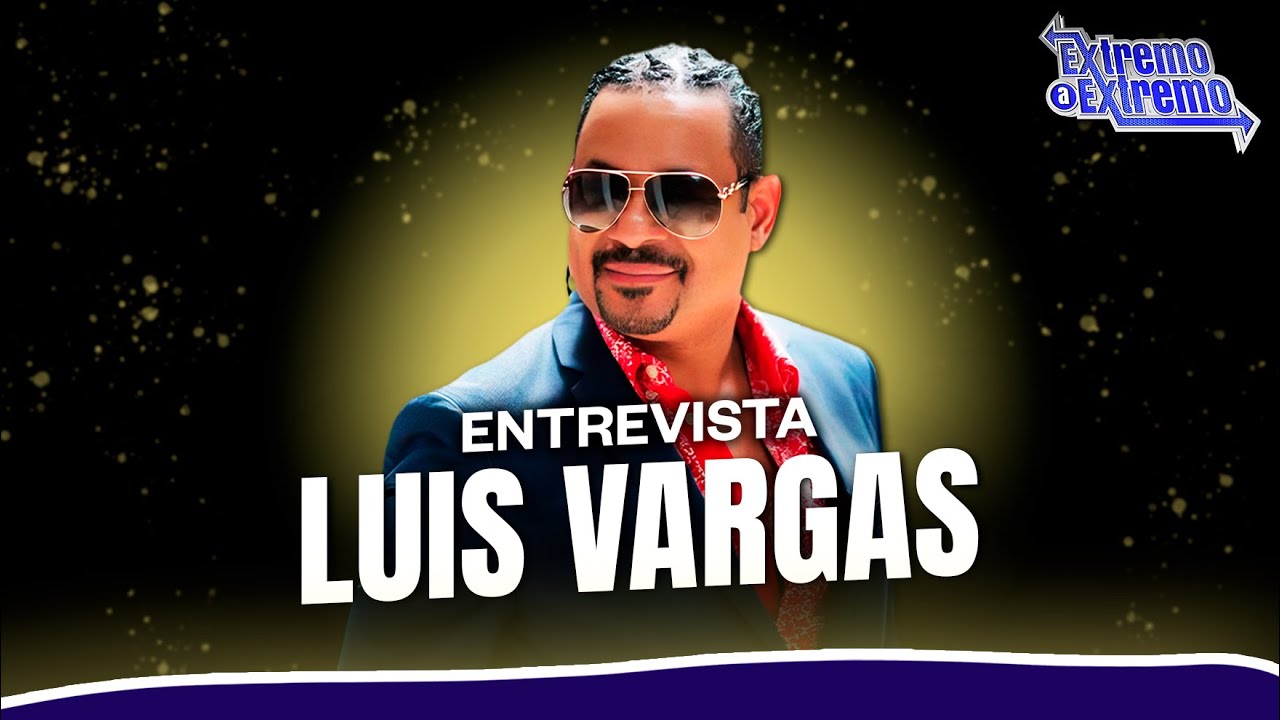
Entrevista a El Rey Supremo

Telemicro
October 16, 2024

Luis Vargas revela la verdad

Mega 97.9 NYC 🗽
April 10, 2024

Interrogatorio a Luis Vargas - 1

INNOVATION MEDIA NEW YORK
March 16, 2022

Entrevista al bachatero
Telemicro
March 27, 2022

Interrogatorio a Luis Vargas - 2
INNOVATION MEDIA NEW YORK
March 16, 2022
Discography
El Tomate
1990 · Album · 10 tracks
El maïz
1991 · Album · 11 tracks
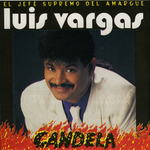
Candela
1992 · Album · 10 tracks
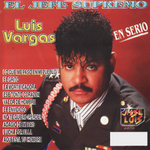
En Serio
1993 · Album · 10 tracks
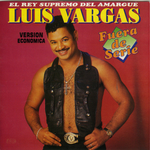
Fuera de serie
1995 · Album · 10 tracks
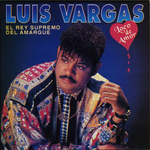
Loco de amor
1995 · Album · 10 tracks
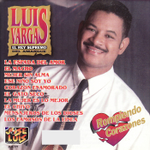
Rompiendo corazones
1996 · Album · 10 tracks
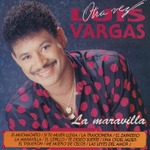
La maravilla
1997 · Album · 11 tracks
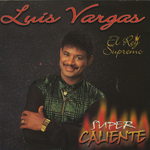
Super Caliente
1997 · Album · 16 tracks
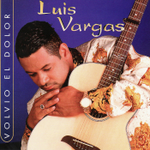
Volvió el dolor
1997 · Album · 12 tracks
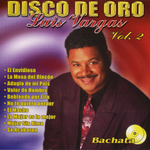
Disco de Oro Vol. 2
1998 · Album · 15 tracks
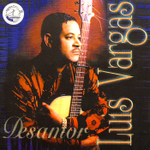
Desamor
1999 · Album · 11 tracks
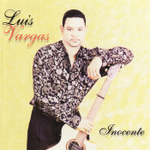
Inocente
2000 · Album · 9 tracks
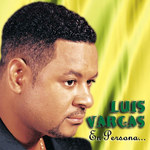
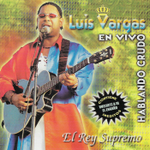
Hablando Crudo: El Rey Supremo (En Vivo)
2002 · Album · 11 tracks
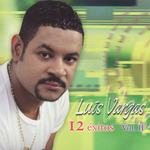
12 Exitos Vol. 2
2003 · Album · 12 tracks
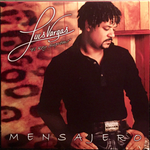
Mensajero
2004 · Album · 13 tracks
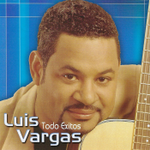
Todo Exitos
2004 · Album · 12 tracks
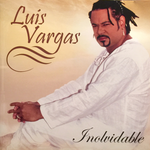
Inolvidable
2005 · Album · 12 tracks
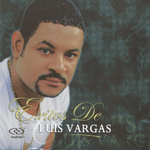
Exitos de Luis Vargas
2007 · Album · 14 tracks
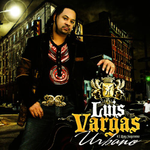
Urbano
2007 · Album · 12 tracks
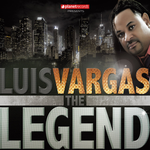
The Legend
2010 · Album · 13 tracks
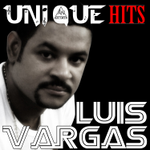
Uniquehits
2014 · Album · 10 tracks
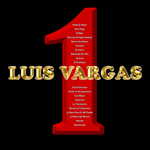
1
2015 · Album · 20 tracks
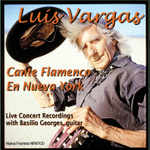
Cante Flamenco En Nueva York (Live)
2015 · Album · 10 tracks
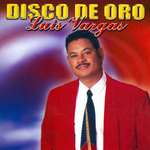
Disco de Oro
2015 · Album · 15 tracks
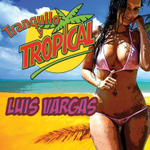
Tranquilo y Tropical
2015 · Album · 16 tracks
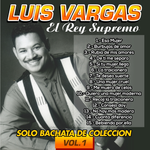
Solo Bachata de Colección, Vol. 1
2017 · Album · 15 tracks
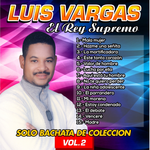
Solo Bachata de Colección, Vol. 2
2017 · Album · 15 tracks
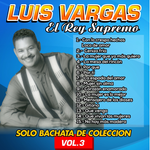
Solo Bachata de Colección, Vol. 3
2017 · Album · 15 tracks
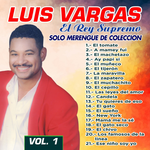
Solo Merengue de Colección, Vol. 1
2017 · Album · 21 tracks
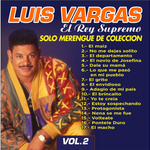
Solo Merengue de Colección, Vol. 2
2017 · Album · 17 tracks
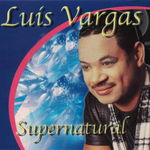
Supernatural
2018 · Album · 9 tracks
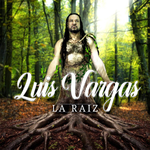
La raíz
2019 · Album · 10 tracks
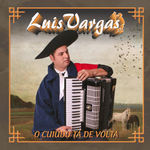
O Cuiúdo Tá de Volta
2021 · Album · 12 tracks
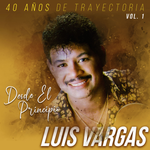
40 Años de Trayectoria "Desde el Principio", Vol. 1
2022 · Album · 16 tracks
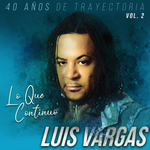
40 Años de Trayectoria Lo Que Continuo, Vol. 2
2022 · Album · 16 tracks
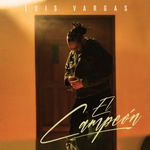
El campeón
2023 · Album · 12 tracks
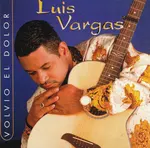
Volvió el dolor
1995 · Single · 1 track
Aléjate
2014 · Single · 1 track
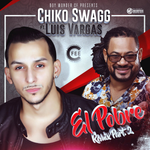
El pobre (remix)
2016 · Single · 1 track
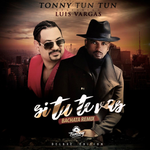
Si tú te vas (bachata remix)
2017 · Single · 1 track
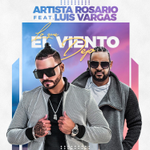
Lo que el viento dejó
2018 · Single · 1 track
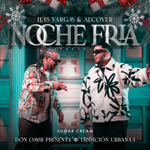
Noche Fría
2023 · Single · 1 track