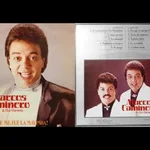
Por Qué Se Me Fue La Mayimba!
1987 · album · 10 tracks
Marcos Caminero (born November 21, 1953) is a Dominican singer-songwriter, musician, bandleader, and folklorist from San Pedro de Macorís, widely recognized as one of the most distinctive and culturally rooted figures of the golden era of merengue and a vital guardian of Afro-Caribbean and Cocolo heritage in the Dominican Republic. Across more than four decades of musical career, he has woven national dance rhythms with the ritual traditions of street carnival and Guloya brass music, embedding into the Caribbean catalog enduring classics such as «Machete Gillette», «Se Va La Tristeza (La Mayimba)», and his signature opening cry «¡Oh Yayi!».
Early years and formation
He grew up in the Villa Providencia neighborhood of San Pedro de Macorís, an environment saturated with the cultural presence of the Cocolos—descendants of English-speaking immigrants from the Lesser Antilles—whose Guloya dances, percussion ensembles, and festive trumpets profoundly shaped his musical imagination. Before turning to music as a full-time calling, he worked as a radio broadcaster in his home province. During the mid-1970s, he took his first steps on stage with the local vocal group «Reflexiones», performing ballads and romantic repertoire.
He subsequently joined the powerhouse orchestra of Wilfrido Vargas, serving as güira player and vocalist on recordings such as «El Lamento» and «La Yola», followed by a brief yet fruitful tenure with bandleader and trumpeter July Mateo "Rasputín", with whom he recorded «El Hombre del Palo».
Sui Generis orchestra and rise in merengue
In the mid-1980s he formed his own ensemble, «Marcos Caminero y su Orquesta Sui Generis» (often known simply as «Sui Generis»), conceived as a close family project that featured his brother José René Caminero as vocalist and chorister alongside distinguished players from the eastern provinces. In 1984 he made his formal record debut with the album «Alma Marinero», followed by high-impact commercial releases including «Por Qué Se Me Fue La Mayimba!» (1987) and «Merengue Pa' Goza... ¡Si Ombe Si!» (1988), issued internationally through labels such as «RR Records» and «RMM Records».
During this period he solidified his trademark battle cry «¡Oh Yayi!», a spontaneous tribute to historic Guloya dancers in San Pedro de Macorís arranged in studio alongside maestro Armando Olivero, which became one of the most widely recognized vocal signatures of 1980s merengue.
Carnival catalog and cultural advocacy
While many contemporaries relocated permanently to Santo Domingo or New York, Caminero chose to remain rooted in San Pedro de Macorís. This deliberate geographic commitment nurtured a prolific body of work dedicated to traditional carnival, Afro-Dominican percussion, atabales, and gagá rhythm, establishing him as a central creative voice for parades, civic celebrations, and community cultural groups nationwide. Notable songs in his catalog include:
Recognition
For his extensive dedication to popular cultural traditions, the Dominican Ministry of Culture honored him with the official distinction of «Gran Compositor del Carnaval Dominicano». In 2024, the Senate of the Dominican Republic presented him with an official tribute celebrating his career, artistic integrity, and tireless advocacy on behalf of Dominican folklore and cultural identity.
Legacy
Marcos Caminero represents a singular current within Dominican merengue: an artist who united the technical discipline of big-band ballroom arrangements with the raw, communal vitality of street carnival and the ancestral memory of Afro-Antillean migrant workers. His refusal to sever ties with his hometown and his enduring commitment to Petromacorisano cultural identity establish him as a living pillar of Dominican musical heritage.
Interviews, conversations, and archival media connected to this artist.


February 24, 2024


June 09, 2021

June 06, 2021
1987 · album · 10 tracks
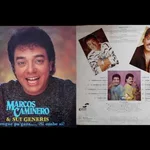
1988 · album · 10 tracks
1989 · album · 10 tracks
2007 · album · 17 tracks
2007 · album · 15 tracks