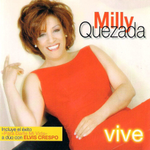
Vive
1998 · Album · 10 tracks
Milagros Quezada Borbón, internationally known as Milly Quezada, was born on May 21, 1955, in Santo Domingo, Dominican Republic. She is a singer, songwriter, and one of the most iconic figures in merengue. Celebrated as “The Queen of Merengue,” she has built a career spanning more than four decades, marked by international recognition, groundbreaking achievements for women in tropical music, and a central role in the global expansion of Dominican cultural identity.
Origins and Early Life
Milly was raised in a musically inclined family. Her parents, Rafael Quezada and Consuelo Borbón, encouraged artistic development among their children, creating an environment where singing and performance were part of daily life. During her teenage years, the family emigrated to New York City, where a growing Dominican community was shaping a new cultural landscape. In this environment, merengue became a symbol of identity for the diaspora, and Milly found herself at the heart of that movement.
She pursued higher education at the City College of New York, earning a degree in Communications and Media. This academic background strengthened her ability to navigate the media landscape and contributed to the professional polish that would define her career.
Musical Career
Milly Quezada’s professional journey began in the 1970s with the group Milly, Jocelyn y los Vecinos, formed alongside her sister Jocelyn and musicians from the Dominican community in New York. The group quickly became a cultural phenomenon, bringing merengue to international audiences and establishing one of the first female-led ensembles in a genre traditionally dominated by male bands.
Their repertoire produced classics such as “La Guacherna,” “Volvió Juanita,” “Tengo,” and “Amanecemos Parrandeando.” These songs became anthems of Dominican identity and helped cement merengue as a global Caribbean genre. The group’s energetic arrangements, modern sound, and charismatic stage presence set new standards for merengue performance.
After the death of her manager, Rafael Vázquez, in 1996, Milly returned to the Dominican Republic and continued her career as a solo artist. Her solo era strengthened her status as “The Queen of Merengue,” producing hits such as “Lo Tengo Todo,” “Entre tu cuerpo y el mío,” “Porque me amaste,” “Para darte mi vida,” and “Vive.”
She has collaborated with major artists including Juan Luis Guerra, Olga Tañón, Gilberto Santa Rosa, Johnny Ventura, Sergio Vargas, Héctor Acosta “El Torito,” and Ilegales, expanding her reach into salsa, ballad, and tropical fusion.
Musical Style and Cultural Impact
Milly Quezada’s style is defined by her powerful voice, rhythmic precision, and commanding stage presence. Her work has been essential in:
- Internationalizing merengue across the United States, Europe, and Latin America.
- Opening doors for women in a genre historically dominated by male orchestras.
- Strengthening Dominican cultural identity within the diaspora.
- Modernizing merengue while preserving its folkloric roots.
Her artistic persona is considered a cultural treasure of the Dominican Republic and a foundational reference in the history of merengue.
Recognition and Legacy
Milly Quezada has received numerous awards and honors, including:
- Four Latin Grammy Awards, including Best Contemporary Tropical Album.
- The Gran Soberano, the highest honor of the Dominican Republic’s national awards.
- Official recognitions from the U.S. Congress and the Senate of Puerto Rico.
- Cultural distinctions across the Dominican Republic, the United States, and Latin America.
Her legacy is that of a trailblazer who redefined the role of women in merengue, elevated Dominican music on the world stage, and became one of the most influential voices in Caribbean popular culture. Her impact continues to shape new generations of Dominican and Latin artists.
1998 · Album · 10 tracks
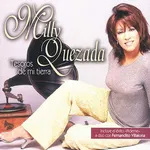
2000 · Album · 10 tracks
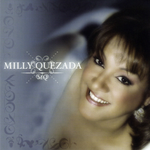
2005 · Album · 11 tracks
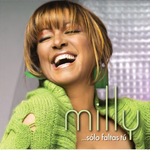
2008 · Album · 13 tracks
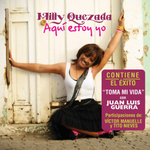
2011 · Album · 11 tracks
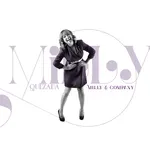
2019 · Album · 10 tracks

2020 · Album · 12 tracks
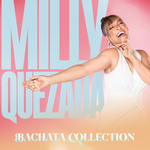
2023 · Album · 11 tracks

2015 · Single · 1 track

2015 · Single · 1 track
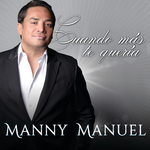
2016 · Single · 1 track

2016 · Single · 1 track
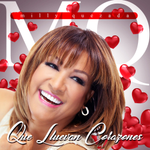
2016 · Single · 1 track
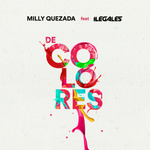
2018 · Single · 1 track

2018 · Single · 1 track
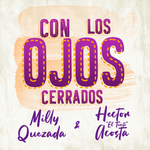
2019 · Single · 1 track
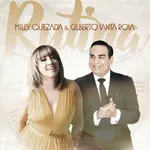
2019 · Single · 1 track

2020 · Single · 1 track
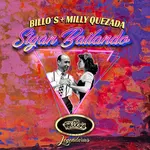
2020 · Single · 1 track
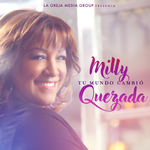
2020 · Single · 1 track

2021 · Single · 1 track

2021 · Single · 1 track

2022 · Single · 1 track

2023 · Single · 1 track
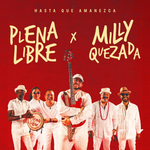
2024 · Single · 1 track

2024 · Single · 1 track

2022 · EP · 6 tracks