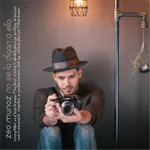
No Se Lo Digan a Ella
2016 · album · 11 tracks
Zeo Muñoz (born in Santiago, Dominican Republic) is a Dominican singer-songwriter recognized for his introspective lyrics, acoustic sound, and emotionally driven storytelling. Raised in the municipality of Navarrete, Muñoz has become one of the most distinctive voices in the modern Dominican cantautor movement. His work blends folk, pop, and Dominican melodic traditions, earning him recognition across the Dominican Republic, the diaspora, and the New York music scene. He has been nominated for the Premios Soberano and has collaborated with several major Dominican artists.
Early Life and Background
Zeo Muñoz was born in Santiago and taken to Navarrete at three days old, where he was raised by his grandparents. Although Navarrete is officially part of the province of Santiago, Muñoz identifies strongly with the town and often refers to himself as “from Navarrete.”
His early interest was not singing but writing. Music entered his life through local cultural groups, including a rock band formed by friends and an Andean music ensemble led by cultural promoter Cuki Guzmán. His first instrument was a Peruvian flute, followed later by the guitar.
Muñoz purchased his first guitar by saving small remittances sent by his mother, who had emigrated to the United States through the Panama–Mexico route in the early 1990s. He saved “peso by peso” until he reached the equivalent of 100 dollars, which he used to buy the instrument that would eventually define his artistic path.
Migration to the United States
At age 17, Muñoz moved to New York City. He enrolled in university and studied International Criminology with a focus on Government, while working various jobs including lifeguard, swimming instructor, and real estate agent.
During this period, music remained a private hobby. He played guitar at home, wrote songs, and spent time in local parks playing chess and tennis. His early years in New York were marked by loneliness and uncertainty, experiences that later shaped his songwriting.
Musical Beginnings
Muñoz’s first public musical experience occurred in a university rock band, where he initially served as a songwriter and guitarist. When the lead singer left the group, Muñoz temporarily took over vocals to maintain rehearsals. This was the first time he discovered the emotional connection of singing his own lyrics.
His professional transition began after experiencing symptoms of depression. A psychologist advised him to pursue one of his hobbies more consistently. Muñoz chose music.
He approached a small bar on 184th Street in Manhattan and asked to sing “a couple of songs.” The owner invited him to perform on a Tuesday night. His early audiences were small, but the performances gradually grew, leading him to abandon real estate and dedicate himself fully to music.
Rise in the New York Scene
Zeo Muñoz became a regular performer in bohemian venues across Manhattan and Queens, building a loyal following among Dominican and Latin American audiences. He recorded homemade demos, burned CDs, and distributed them to listeners. His song «Millones de Gallos Rojos» became a turning point, spreading organically through voice notes and social media.
He credits the Dominican community in New York for encouraging him to pursue music professionally.
Collaboration with Wason Brazobán
A major milestone in Muñoz’s career occurred when Wason Brazobán, one of the Dominican Republic’s most prominent singer-songwriters, attended one of his performances. Brazobán joined him on stage and later contacted Muñoz to praise «Millones de Gallos Rojos», predicting it would be a hit.
Brazobán recorded vocals for the song in Muñoz’s living room before heading to the airport. He advised Muñoz to release the solo version first so that his own fame would not overshadow the emerging artist. Muñoz frequently refers to Brazobán as his “musical godfather.”
Solo Career and Albums
Muñoz released his debut album «No se lo digan a ella», which he produced largely at home using digital recording tools. His second album, «Amuleto», showcased greater rhythmic diversity, including bachata, bolero, and acoustic ballads. Both albums received positive reception for their emotional depth and production quality.
His songwriting style is characterized by poetic imagery, vulnerability, and themes of heartbreak, nostalgia, and personal growth.
Notable Works and Collaborations
Zeo Muñoz has worked with Wason Brazobán, Sergio Vargas, Víctor Víctor, and Fernando Villalona. Víctor Víctor, whom Muñoz calls his mentor, is featured on «Difícil de Entender» (2018). In November 2024 Muñoz released a new version of «Seré», the 1985 song associated with Fernando Villalona, recorded with Villalona himself; Muñoz says the recording came about thanks to Ronny Cruz.
His song «Difícil de Entender» was inspired by a dream in which he wrote a song for Sergio Vargas. The track later became one of his most acclaimed compositions.
Musical Style
His music combines acoustic guitar, folk and cantautor traditions, Dominican melodic sensibilities, and poetic, introspective lyrics in minimalist arrangements that keep the focus on emotion.
His voice and writing have been described as intimate, honest, and deeply personal.
Recognition
Muñoz has been nominated for the Premios Soberano, the Dominican Republic’s highest artistic honor. He has also gained significant support from the Dominican diaspora, particularly in New York, Queens, and the Cibao region.
Legacy and Impact
Although still early in his career, Zeo Muñoz has become one of the most promising Dominican singer-songwriters of his generation. His organic rise from small bars to national recognition, combined with his authenticity and emotional storytelling, has positioned him as a leading figure in the modern Dominican cantautor movement.
Interviews, conversations, and archival media connected to this artist.


December 16, 2025


December 16, 2025


October 05, 2025


October 14, 2024


June 08, 2021


October 02, 2018
2016 · album · 11 tracks

2020 · album · 5 tracks
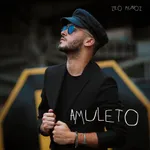
2021 · album · 9 tracks

2018 · Single · 1 track
2019 · single · 1 track