Biography
Juan Azarías Pacheco Knipping, known as Johnny Pacheco, was a Dominican flautist, bandleader, arranger, composer and record producer. He cofounded Fania Records, assembled the Fania All Stars and fixed the word salsa onto the music, which places a man from Santiago at the centre of a genre the world files under Cuba and Puerto Rico.
Santiago and the Santa Cecilia
He was born in 1935 in Los Pepines, a working neighbourhood of Santiago de los Caballeros. His first instrument came from his father, Rafael Azarías Pacheco, a clarinettist who directed the Orquesta Santa Cecilia, and by the time the family left for New York in 1946 he had also picked up the accordion, the violin, the saxophone and the flute.
Other musicians stood on the same family tree. The pianist Damirón, who did much to carry merengue abroad, was a second cousin of his mother, and the singer Maridalia Hernández descends from a great-grandaunt of his on another branch of the family.
In New York he went to Brooklyn Technical High School and trained as an electrical engineer, worked briefly in the field and left it. He studied percussion at Juilliard instead, and from 1953 played with dance bands across the city, among them the orchestras of Tito Puente, Xavier Cugat and the Dominican Dioris Valladares.
The pachanga
In 1958 he met the pianist Charlie Palmieri, and the two built the charanga La Duboney, where Pacheco took up the flute. He left after a single album to start a band of his own in 1960.
Pacheco y su Charanga signed to Alegre Records, and its records set off a dance craze named from his own surname: pachanga, from Pacheco and charanga. The style ran on an uptempo cross of cha-cha-chá and merengue, which carried the music of his childhood into the New York Latin scene. In 1962 and again in 1963 the band became the first Latin group to headline the Apollo Theater.
Fania
At the end of 1963 he met a lawyer named Jerry Masucci, and the two founded Fania Records, taking the name from a Cuban song. Pacheco served as vice-president, creative director and house producer, and he remained at the artistic centre of the label for the whole of its life, signing and developing most of the roster that salsa is now remembered by.
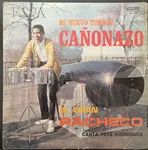
For the first release he rebuilt his charanga into a conjunto, trading violins for trumpets, and cut Mi Nuevo Tumbao… Cañonazo in 1964 with Pete “El Conde” Rodríguez singing. The two went on recording together for twenty-five years.
The word salsa
In 1968 he gathered the label’s musicians into a single band, the Fania All Stars, and recorded them live at the Red Garter. The concert at the Cheetah in 1971 turned a roster into a movement, and the documentary Our Latin Thing, for which he was musical director, carried it past New York the following year.
The term salsa was not his coinage, but it was his label and his band that fastened it to the music until it held.
The flute
He wrote or recorded more than 150 songs, among them La Dicha Mía, Quítate Tú, Acuyuyé, El Rey de la Puntualidad and El Número Cien. From 1974 he made a long series of duo albums with Celia Cruz, produced across the Fania catalogue, and kept the flute at the front of his own records to the end; his last studio album, ¡Sima!, appeared in 1993.
He worked in film as well, scoring Mondo New York and, with David Byrne, Something Wild, and contributing to the soundtrack of The Mambo Kings. When the Dominican rapper Mangú made Calle Luna y Calle Sol, Pacheco wrote the arrangements, sang in the chorus and played the flute.
A night at the Estadio Olímpico
In August 1976 the Fania All Stars played the Estadio Olímpico in Santo Domingo, with the Dominican band Los Hijos del Rey opening in front of twenty thousand people. The Fania road manager did not want the local group on stage. Tito Kenton, who danced in that band and would later lead Los Kenton, went to find Pacheco. Pacheco walked out before a crowd that had erupted believing Fania was starting, quieted it, and asked that the Dominicans be given their two numbers.
The honours
El Maestro made him the first Dominican nominated for a Grammy in 1975, and eight further nominations and ten gold records followed. President Joaquín Balaguer conferred the Presidential Medal of Honour on him in 1996, the year he also became the first Latin music producer to receive the Governor’s Award of the National Academy of Recording Arts and Sciences.
The Bobby Capó Lifetime Achievement Award came in 1997, induction into the International Latin Music Hall of Fame in 1998 and its Lifetime Achievement Award in 2002, the ASCAP Silver Pen Award in 2004 and the Latin Grammy Lifetime Achievement Award in 2005. At home, Acroarte gave him El Soberano in 2009.
El Maestro Vive Cima
He died in Teaneck, New Jersey, in February 2021, at eighty-five. A year later José Alberto "El Canario" released El Maestro Vive Cima, ten of his songs rebuilt from three of his albums and named for the shout he used from the bandstand. A scholarship fund he founded in 1994 and an annual festival at Lehman College carry his name.
Discography
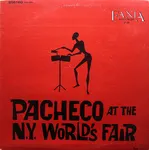
Pacheco at the New York World's Fair
1964 · Album · 12 tracks
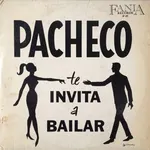
Pacheco te invitar a bailar
1965 · Album · 11 tracks
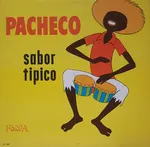
Sabor típico
1967 · Album · 10 tracks
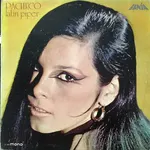
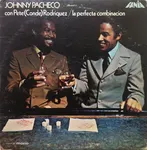
La perfecta combinación
1970 · Album · 10 tracks
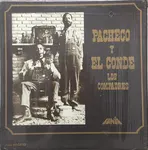
Los compadres
1971 · Album · 10 tracks
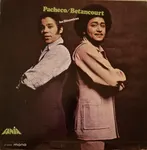
Los dinámicos
1971 · Album · 10 tracks
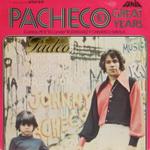
10 Great Years
1972 · Album · 12 tracks
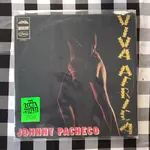
Viva África
1972 · Album · 12 tracks
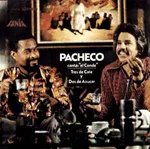
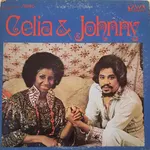
Celia & Johnny
1974 · Album · 10 tracks
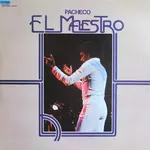
El maestro
1975 · Album · 10 tracks
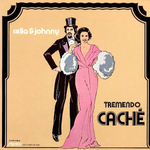
Tremendo caché
1975 · Album · 10 tracks
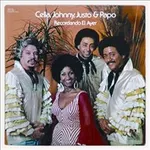
Recordando el ayer
1976 · Album · 10 tracks
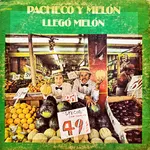
Llegó Melón
1977 · Album · 9 tracks
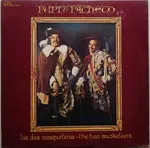
Los dos mosqueteros / The Two Musketeers
1977 · Album · 10 tracks
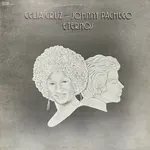
Eternos
1978 · Album · 9 tracks
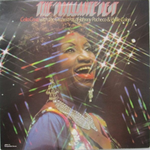
The 'brillante' Best of Celia Cruz
1978 · Album · 9 tracks
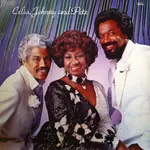
Celia, Johnny and Pete
1980 · Album · 9 tracks
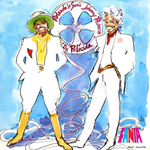
De película
1982 · Album · 8 tracks
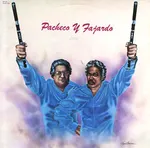
Fajardo y Pacheco
1982 · Album · 8 tracks

Flying High
1983 · Album · 9 tracks
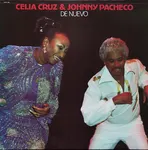
De nuevo
1985 · Album · 9 tracks
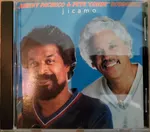
Jicamo
1985 · Album · 8 tracks
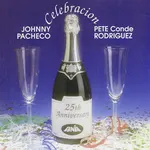
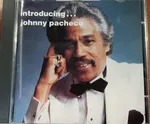
Introducing...Johnny Pacheco
1989 · Album · 16 tracks
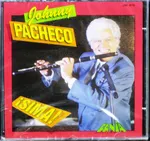
¡Sima!
1993 · Album · 9 tracks
Pacheco's Party
1994 · Album · 15 tracks
Lo mejor de Johnny Pacheco
1996 · Album · 12 tracks
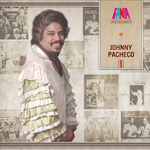
Anthology
2012 · Album · 28 tracks
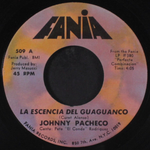
La esencia del guaguanco / Blanca
1970 · Single · 2 tracks