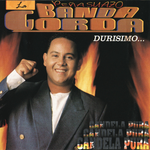
Candela pura
1995 · Album · 10 tracks
José Peña Suazo — José Virgilio Peña Suazo, born in Cotuí in 1967 — is a Dominican trumpeter, arranger, songwriter and bandleader, and the founder, in 1994, of «La Banda Gorda», one of the most durable merengue orchestras of the past three decades. After years writing and arranging hits for other bands, including Pochy y su Cocoband, he stepped out front as a singer and built a catalogue of his own: «Pa’ los que sufren», «Tú muere’ aquí», «Subido en el palo», «Mi mujer me gobierna».
Cotuí and the trumpet
He came to music in his late teens, taught by Juan Eutimo Jerez, and took up the trumpet after his older brother, Arturo Suazo, formed a group of his own. He was studying accounting at the time — had he not become a musician, he says, he would have made a poor accountant. In 1987 he moved to Santo Domingo and joined the band of the city’s fire brigade.
Sideman and arranger
He became first trumpet in the orchestra of Cuco Valoy, where he was allowed to compose and arrange, and then played with «La Artillería», one of the orchestras that trained a generation of merengue musicians. In 1991 he joined Pochy y su Cocoband on trumpet and wrote or arranged some of its best-known numbers, among them «A usted lo botan», «La compota» and «Penas de amores», and in 1993 he moved to Rokabanda, led by Kinito Méndez and Bobby Rafael. His songs were recorded by Fernando Villalona, Sergio Vargas and José Alberto "El Canario". When he wrote for others he sang the guide vocal in the studio himself, and he reasoned that if a singer like Sergio Vargas could learn a song from his reference, his voice could not be that bad.
«Libre al fin»
The push to sing came when Rokabanda let him go one December. The start was hard, and musicians left because the band could not yet support them. Then, at a small piano, he wrote in a single sitting the songs of «Libre al fin», released on 19 April 1994 with «Pa’ los que sufren»; the whole album caught on, and there, he says, he found his own sound, free of the influence of the Coco Band and the Rokabanda.
«La Banda Gorda»
Albums followed almost yearly — «Durísimo» (1995), «Tú muere aquí» (1996), «Calienta esto» (1998), «Aquí, pero allá» (1999), «Esta noche» (2000), «Melao» (2002), «Puro mambo» (2004) — up to a nineteenth production, and he counts more than five hundred songs to his name. His merengue borrows from mambo and from the sayings of the street; «Subido en el palo», written for the envious, has been used in political campaigns by several parties. «Yo sé que Dios me tiene a mí lo mío», written during his mother’s last illness, was named Merengue del Año at the 2015 «Premios Soberano». In 2021 the band received its first gold record from the «RIAA», and «Mi mujer me gobierna» has since run to millions of plays in social-media challenges.
Thirty years
In September 2022 he and Los Hermanos Rosario were billed together in concert for the first time, and for February 2024 he announced «30 años, mi historia musical», a concert marking three decades since «Libre al fin».
Legacy
Peña Suazo is one of the musicians who went from the brass section to the front of the stage, and his arrangements for other orchestras sit alongside his own hits in the merengue of the 1990s. He remains optimistic about the genre’s future — society, he says, produces the people it needs, and he points to Manny Cruz as proof.
1995 · Album · 10 tracks
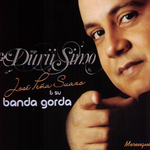
1995 · Album · 10 tracks
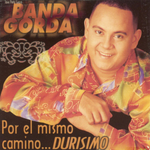
1997 · Album · 10 tracks

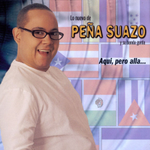
1999 · Album · 12 tracks
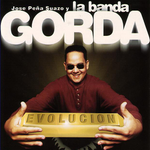
1999 · Album · 7 tracks

2002 · Album · 9 tracks
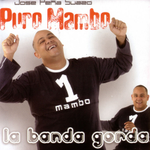
2004 · Album · 10 tracks
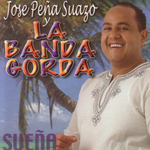
2004 · Album · 12 tracks
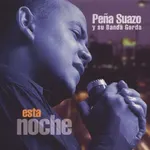
2005 · Album · 10 tracks

2005 · Album · 12 tracks
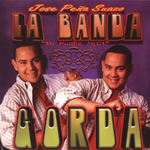
2007 · Album · 10 tracks

2008 · Album · 10 tracks
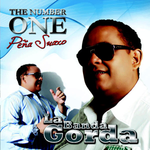
2008 · Album · 12 tracks
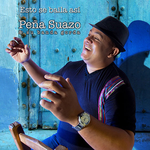
2011 · Album · 13 tracks

2018 · Album · 20 tracks

2019 · Album · 12 tracks

2019 · Album · 10 tracks
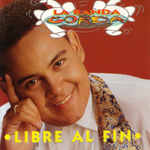
1994 · · 10 tracks
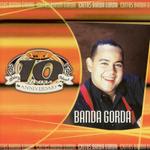
1999 · · 15 tracks

2020 · · 21 tracks

2020 · · 17 tracks