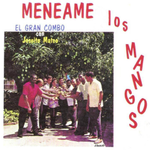
Menéame los mangos
1962 · Album · 12 tracks
José Tamárez Mateo, known as Joseíto Mateo and called the King of Merengue, was a Dominican singer. He began performing in the nineteen-thirties and was still working at the end of his life, which gave him a career of more than seventy years and made him the longest continuous presence in Dominican popular music.
Santo Domingo and Havana
He was born in Santo Domingo in 1920 and started singing as a young man, building an audience through the thirties and forties. On one of his trips to Cuba he stayed on to sing at CMQ, then the largest station on the island, alongside Celia Cruz and the Sonora Matancera, at the point when Cuban radio was setting the terms for the whole Caribbean.
El Gran Combo
After the killing of Trujillo in 1961 he went to try his luck in Puerto Rico, and in 1962 he sang with El Gran Combo on the group’s first tour to Panama, promoting the album El Gran Combo con Joseíto Mateo. He adapted to their repertoire, singing plena, bomba, guaracha and bolero, and it was on that trip that he met the young Pellín Rodríguez and Andy Montañez, who took his place in the band.
He gave a plain reason for leaving. He had to go back to Santo Domingo to clear his name: in the years after the dictatorship anyone who had worked under it was being pursued, and he was being called a spy at home while he was singing abroad.
The songs
His catalogue is enormous and began early. King of Merengue! appeared in 1950 and Merenchanga Pa’ la Pachanga in 1956, and through the sixties he released album after album — El Verdadero Rey del Merengue in 1964, Caña Brava Vol. 3 and Merengues Vol. 2 in 1966, Salsa Explosiva in 1970.
The songs that stayed are Madame Chuchí, Dame la Visa, La Cotorra de Rosa, La Patrulla, Juanita Morel and Merenguero Hasta la Tambora. In 1979 he made an album of merengues with Luis Kalaff, whose Cuando Yo Me Muera he had also recorded.
The dancing
What separated him was not only the voice. He sang while dancing, and the way he moved on stage became part of what merengue looked like as well as what it sounded like, at a moment when the genre was moving from country ensembles into ballrooms and television studios.
The honours
Acroarte gave him El Soberano in 2004, its highest award at the time and the one renamed Gran Soberano in 2013, and on 11 November 2010 the Latin Recording Academy presented him with its Musical Excellence Award for his contribution to Latin music.
He died in 2018, at ninety-eight. At his wake Cheché Abreu said that Joseíto had been the greatest because everything the rest of them did was copied from him, and that he would never really be dead for the country.
1962 · Album · 12 tracks
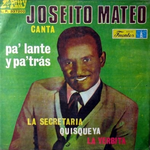
1969 · Album · 11 tracks
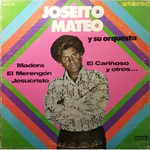
1971 · Album · 11 tracks
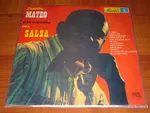
1973 · Album · 12 tracks
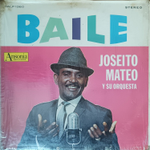
1974 · Album · 12 tracks
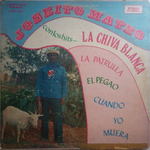
1978 · Album · 11 tracks
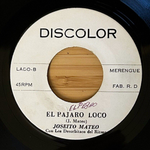
1964 · Single · 2 tracks
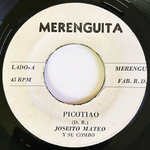
1965 · Single · 2 tracks
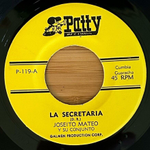
1969 · Single · 2 tracks
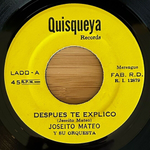
1985 · Single · 2 tracks