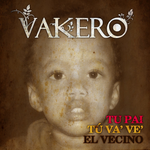
Tu Pai
2011 · Single · 3 tracks
Vakeró, born Manuel Varet Marte in San Pedro de Macorís, is a Dominican rapper, songwriter and producer. He has been recording for thirty years and is on every account of how Dominican urban music began.
San Pedro
He grew up poor, the son of a tailor, and says it was his father who put the music in him. The influence he names is Héctor Lavoe — a Puerto Rican salsa singer, which is not the reference a Dominican rapper is expected to give, and which explains something about how he phrases.
At sixteen he joined a group called One Play, alongside the rapper Wilking, and stayed about two years. Then came Perfecto Clan, La Banda Sonora, which is where the style hardened into something recognisable.
Se Partió el Lápiz
Adelante y Pico, in 2005, was the first record under his own name, and the track that carried it was Se Partió el Lápiz — a shot at Lápiz Conciente, by then the biggest rapper in the country.
That is how a Dominican rap career opened in that decade. There was no radio and no label to go through; the way to be heard was to name somebody who was already being heard. It worked, and it took him outside the country.
Years later the two of them cut Llegan Lo’ Que Saben together, which is the other half of the same tradition: the tiraera settles and the record gets made.
Eight albums
Pa Ke Te Mate followed in 2007, then Manuel in 2008, Yo in 2013, Mutación in 2018, El Chulo Del 23 in 2019, Casa Nostra in 2020 and Mama Ika in 2022. Along the way: Háblame de Dinero, Qué Mujer Tan Chula, Mariposa, and a single simply called SPM.
Tu Pai went further than any of them, and by an unusual route — it was put into Pro Evolution Soccer 2013, so a Dominican rap record reached millions of people who were playing a football game and had never heard of him. Tu Cojea, in January 2020, did the same thing the old way.
He collected Soberano awards across the first half of the twenty-tens, in the years when the ceremony was still being renamed from Premios Casandra.
Why he matters
Dominican urban music now exports more than merengue does, and the people who built the ground it stands on are a short list. He is on it: a rapper from a sugar town who was making records before the genre had an industry, and who is still making them after it acquired one.
2011 · Single · 3 tracks

2011 · Single · 1 track

2014 · Single · 1 track

2021 · Single · 1 track

2021 · Single · 1 track