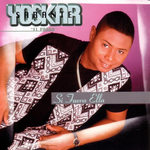
Si fuera ella
1998 · Album · 12 tracks
Yoskar Sarante Ventura, known as El Prabú, was a Dominican bachata singer. He had a high, unforced voice that could hold a line without pushing it, and for a stretch at the start of the century he was one of the two most heard bachateros in the country.
Villas Agrícolas
He was born in 1970 in Villas Agrícolas, a barrio of Santo Domingo. As a boy he sang in parks and public squares while his older brother played guitar, and what they collected went to the household. He entered the children’s singing contests on Dominican television, among them Mundo Infantil, and later enrolled at the Iris del Valle music school in Los Mina, paying for it with work on building sites.
The merengue orchestras
His professional career began in merengue rather than bachata. He sang with Grupo Internacional Melao, and after finishing at the music school passed through the orchestras of Tomás Barrera, Cheché Abreu, Aramis Camilo and Guancho Viloria. The years in front of merengue bands gave him the breath control and the projection that later separated him inside a slower genre.
Llora Alma Mía
He turned to bachata and released El Prabú in 1994, the record that gave him his name, followed by Niña Sedienta in 1996 and Si Fuera Ella in 1998. The album that made him was Llora Alma Mía, in 2000: La Noche, No Te Detengas, Si Te Llego a Perder and the title song are all still standards of the genre.
No Es Casualidad followed in 2002 and Viví in 2004. Between those records he and Elvis Martínez were the two bachateros the country listened to most, at the moment when bachata was finishing its move from the margins to the centre of Dominican radio. He was invited to New York and sang at the Mets stadium in front of the city’s mayor, which opened the United States to him.
The later records
Parada 37 came in 2006 and Vuelve Vuelve in 2008, and he kept releasing into the following decade. The songs that stayed are the slow ones: Vas a Llorar, Guitarra, Por una Mentira, Perdido, Perdóname, No Tengo Suerte en el Amor, El Amor es Libre, He Tenido que Llorar and Guerra de Amor.
He also recorded within the wider revival of the genre, appearing on collections such as Bachata Típico and The Rough Guide to Bachata, which carried Dominican bachata to listeners who had come to it from outside. He died in a hospital in Orlando, Florida, on 28 January 2019.
1998 · Album · 12 tracks
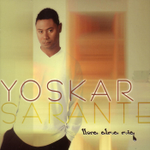
2000 · Album · 12 tracks
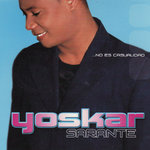
2002 · Album · 11 tracks
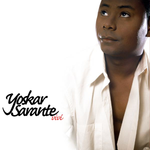
2004 · Album · 10 tracks
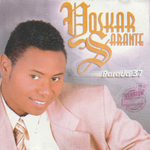
2005 · Album · 12 tracks

2008 · Album · 13 tracks


2016 · Album · 9 tracks

2024 · Album · 12 tracks
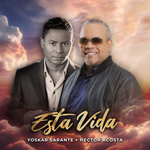
2024 · Single · 1 track

2024 · Single · 1 track