La tuerca
1981 · Album · 9 pistas
Ramón Fernando Villalona Évora, conocido como Fernando Villalona y llamado El Mayimbe, es un cantante dominicano. Es un tenor lírico que se dio a conocer en la balada y el bolero antes de convertirse en una de las voces que definen el merengue, y ha grabado más de veinte álbumes a lo largo de cinco décadas.
Loma de Cabrera
Se crió en Loma de Cabrera, en la provincia noroccidental de Dajabón, cerca de la frontera con Haití, junto a nueve hermanos. Allí cursó sus estudios iniciales y empezó a presentarse bajo la tutela de un maestro del pueblo, actuando desde niño en veladas escolares e infantiles.
El Festival de la Voz
A los quince años representó a su pueblo en el primer Festival de la Voz, organizado por Rafael Solano y transmitido por el canal estatal en junio de 1971. Cantó Lágrimas para un Recuerdo y quedó en quinto lugar. No ganar resultó más importante que ganar: la ronda final provocó la mayor protesta pública que se había visto en un concurso de talentos dominicano, y el país aprendió su nombre.
Solano lo descubrió por esos mismos días y le grabó una primera producción, pero Villalona regresó por un tiempo a Loma de Cabrera antes de que la carrera arrancara de verdad.
Los Hijos del Rey
La orquesta Los Hijos del Rey, creada a mediados de los setenta por Wilfrido Vargas, es donde vuelve a la música y donde debuta profesionalmente, en un cartel junto a la Fania All Stars. La banda fue escuela de toda una generación: allí estuvieron con él Bonny Cepeda y Raulín Rosendo.
Popularizó allí una lista larga de temas, entre ellos A Tatico Henríquez, escrito para Tatico Henríquez, además de Barahona, Santo Domingo, Así es la Vida, La Ambulancia, Jardinera y Compadre Pedro Juan. Su público propio terminó siendo más grande que el grupo, y salió de él al final de la década.
El Niño Mimado
Empezó como solista en 1981 y los ochenta fueron suyos. Tabaco y Ron, Celos, Te Amo Demasiado, La Hamaquita, Dominicano Soy, Sonámbulo y Carnaval son de esos años, y el cariño del público le puso el segundo apodo que todavía carga. El primero, El Mayimbe, significa el jefe en el habla dominicana, y se le quedó desde los setenta.
Fuera de la vista, grabando
Quisqueya, No Podrás, Música Latina, Retorno y Me He Enamorado lo mantuvieron al frente del merengue durante la década siguiente. También se retiró de la vida pública durante una parte de esos años, y lo notable es que no dejó de grabar: algunas de sus canciones más valoradas son justamente de ese período, y sus discos seguían en el número uno del país mientras él estaba fuera de la vista.
Mal Acostumbrado
El álbum Mal Acostumbrado le dio el Latin Grammy al mejor álbum de merengue o bachata, y una nominación en la ceremonia del Grammy celebrada en el Madison Square Garden al año siguiente. En esa misma etapa se llevó El Soberano, el galardón mayor de la crónica de arte dominicana. Cantó además en la versión en español de We Are the World grabada para Haití.
Mi Luz
Cumplió cuarenta años en la música en 2011 con Mi Luz, un álbum cristiano en el que cantó sobre su propio pasado y sobre lo que había cambiado en él. Al año siguiente grabó a dúo El Color de tu Mirada, cuyo video fue nominado a video musical del año.
Insensatez
El álbum Insensatez le dio un segundo Latin Grammy en 2021, cuatro décadas después de haber empezado como solista. El Senado de la República reconoció formalmente sus cincuenta años de carrera en mayo de 2022.
1981 · Album · 9 pistas
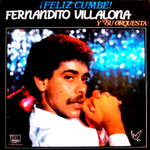
1982 · Album · 9 pistas
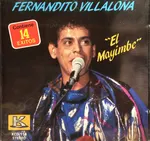
1982 · Album · 10 pistas
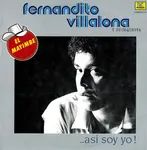
1983 · Album · 9 pistas
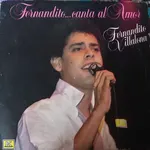
1983 · Album · 8 pistas
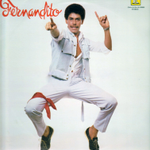
1984 · Album · 8 pistas
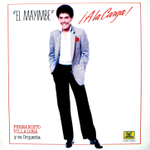
1985 · Album · 8 pistas
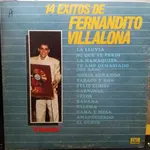
1986 · Album · 14 pistas
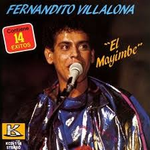
1986 · Album · 14 pistas
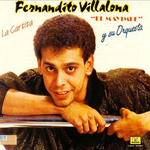
1987 · Album · 10 pistas
1987 · Album · 14 pistas

1988 · Album · 10 pistas
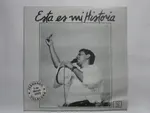
1989 · Album · 11 pistas
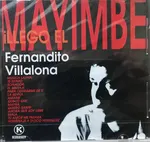
1990 · Album · 14 pistas
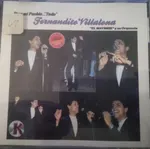
1992 · Album · 10 pistas
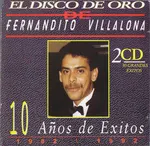
1993 · Album · 30 pistas
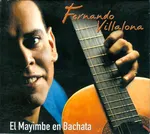
1993 · Album · 12 pistas
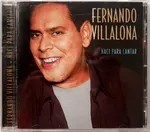
1994 · Album · 10 pistas
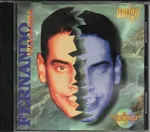
1995 · Album · 8 pistas
1995 · Album · 14 pistas
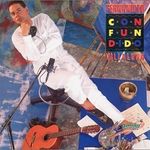
1995 · Album · 10 pistas
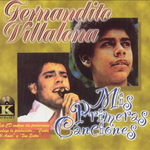
1995 · Album · 18 pistas
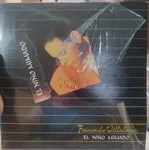
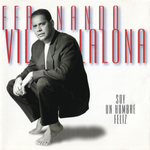
1996 · Album · 11 pistas
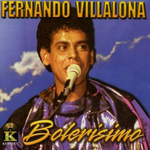
1997 · Album · 12 pistas
2000 · Album · 14 pistas
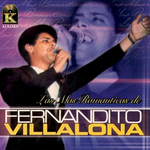
2000 · Album · 14 pistas

2002 · Album · 18 pistas
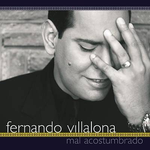
2002 · Album · 12 pistas
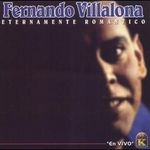
2003 · Album · 12 pistas

2008 · Album · 10 pistas
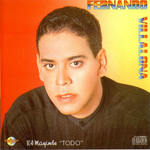
2008 · Album · 9 pistas

2018 · Single · 1 pista

2021 · Single · 1 pista