Biography
Antony Santos, born Domingo Antonio Santos Muñoz on May 5, 1967, is a Dominican singer, guitarist, songwriter and producer, and the single most consequential figure in the transformation of bachata from a stigmatized rural music into the country’s dominant popular genre. Known as "El Mayimbe," he came out of the northwestern border country playing güira behind someone else, and within three years of going solo had rewritten what bachata was allowed to sound like.
Early years and the güira
Santos was born in Clavellinas, a rural settlement in Las Matas de Santa Cruz, Monte Cristi province, into severe poverty — his father’s work was unsteady and food was not reliable. He made his first instruments out of broken bottles before he ever had a guitar.
He entered the music business in the late 1980s not as a singer but as a güirero, playing percussion behind the bachatero Luis Vargas. It was the right apprenticeship: bachata is a rhythm musician’s genre before it is a singer’s, and the years spent inside its percussion gave him an instinct for it that shows in everything he later produced himself.
La Chupadera and «Voy pa’llá»
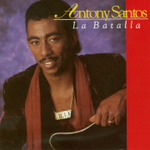
He went out on his own in 1991 with the album La Chupadera, and its single «Voy pa’llá» did something no bachata record had managed before: it made a bachatero of rural origin a national star, and carried into Dominican communities across the United States. The albums came fast afterward — La batalla in 1992, Corazón bonito in 1993, Corazón culpable in 1994 — and by the middle of the decade the argument about who led the genre was effectively over.
What he changed about bachata
The bachata Santos inherited was music of the barroom and the brothel, sung in a rough register about drinking and betrayal, and looked down on accordingly. What he brought to it was romantic vulnerability — a man singing plainly about hurt rather than performing toughness about it — and that shift did more to make the genre respectable than any amount of advocacy could have.
He changed how it sounded, too. He brought in saxophone, keyboards and strings, instruments the style had never used; he was particular about guitars and effects pedals in a way bachateros had not been; and he raised the standard of production across the industry simply by clearing a higher bar himself. He also leaned hard on merengue in his records, which mattered strategically: Dominicans who still considered bachata beneath them were already comfortable dancing merengue, and he used that comfort as a door.
The trinity
Santos, Luis Vargas and Raulín Rodríguez all came from the same stretch of the northwestern border and are spoken of together as the trinity of Dominican bachata. His relationship with Vargas in particular ran as a long public rivalry, which sold records for both of them for years. In 2011 the three appeared together on «Debate de 4», a Romeo Santos recording that put the generation that built modern bachata on one track — a summit the genre had never staged before.
Recognition
The honors accumulated across three decades:
five Casandra/Soberano awards as Bachatero del Año, in 1996, 2007, 2009, 2013 and 2019,
the Gran Soberano in 2019, the top lifetime honor in Dominican arts,
the first solo Madison Square Garden concert by a traditional bachatero, in 2014,
number one on Billboard’s Tropical Airplay chart with «Solo te amo» in 2014,
and August 8 proclaimed "Anthony Santos Day" in New York City in 2019.
He is the second Dominican musician to carry the title "El Mayimbe" — a Taíno word for a village chief — after the merengue singer Fernando Villalona; he also answers to "El Bachatú."
Later career and reach
Santos has recorded some twenty-three studio albums and remains active, releasing La historia de mi vida: el final, Vol. 1 in 2018 and A fuerza de dolor in 2025. Younger artists have sought him out across the generational divide — Romeo Santos, Ozuna and Prince Royce among them — and in 2022 Bad Bunny sampled the introduction of his «No te puedo olvidar» on «Tití me preguntó», putting a 1990s Dominican bachata record in front of the largest audience in global pop.
Legacy
Santos is where modern bachata starts. Almost every romantic bachatero who followed — and, at one remove, the whole international bachata industry built by Aventura and its successors — works inside a template he set between 1991 and 1995: the vulnerable lyric, the melodic lead guitar, the widened instrumentation, the production values.
The cultural argument matters as much as the musical one. Bachata was music that respectable Dominicans did not admit to owning; Santos was the artist who made that embarrassment untenable, and he did it from Clavellinas rather than from the capital. His catalog is the record of the genre changing class, and "El Mayimbe" is a title the country gave him for it.
Discography
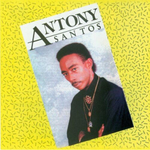
La chupadera
1992 · Album · 12 tracks
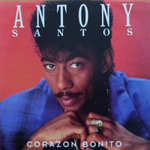
Corazón bonito
1993 · Album · 12 tracks
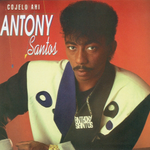
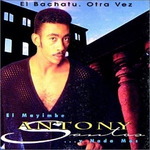
El Mayimbe... y nada más
1995 · Album · 10 tracks
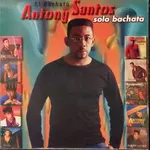
Solo bachata
1995 · Album · 13 tracks
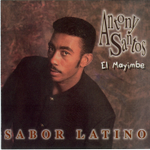
Sabor latino
1996 · Album · 12 tracks
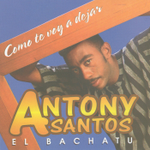
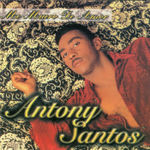
Me Muero De Amor
1998 · Album · 10 tracks
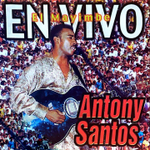
El Mayimbe en Vivo
1999 · Album · 18 tracks
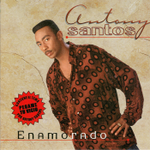
Enamorado
1999 · Album · 10 tracks
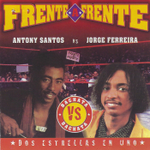
Frente a frente: Dos estrellas en uno
2000 · Album · 10 tracks
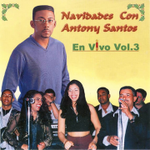
Navidades Con Anthony Santos - En Vivo (Vol. 3)
2000 · Album · 6 tracks
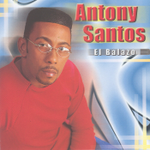
El balazo
2001 · Album · 10 tracks
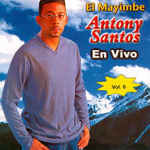
El Mayimbe en Vivo (Vol. 6)
2002 · Album · 12 tracks
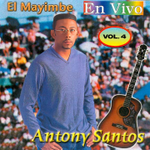
El Mayimbe en Vivo Vol. 4
2002 · Album · 9 tracks
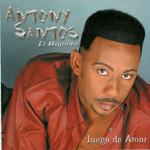
Juego de amor
2002 · Album · 10 tracks
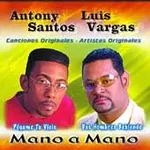
Mano A Mano
2002 · Album · 12 tracks
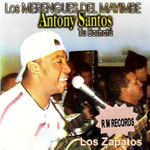
Los Merengues del Mayimbe (En Vivo)
2003 · Album · 16 tracks
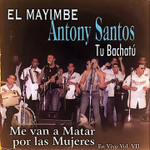
Me Van a Matar por las Mujeres. En Vivo, Vol. 7
2004 · Album · 14 tracks
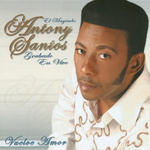
Vuelve amor
2004 · Album · 10 tracks
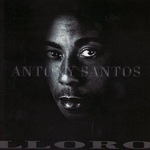
Lloro
2005 · Album · 10 tracks
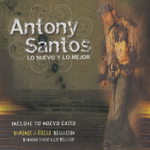
Lo nuevo y lo mejor
2005 · Album · 12 tracks
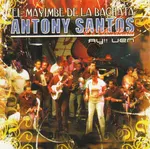
Ay! Ven
2006 · Album · 10 tracks
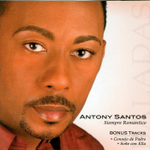
Siempre Romántico (Baladas)
2006 · Album · 12 tracks
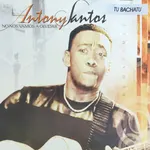
No nos vamos a olvidar
2007 · Album · 8 tracks
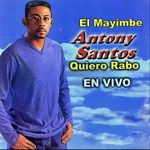
Quiero Rabo, En Vivo Vol. 11
2007 · Album · 6 tracks
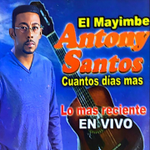
Cuantos Días Más - En Vivo Vol. 12
2008 · Album · 17 tracks
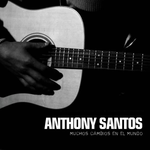
Muchos cambios en el mundo
2008 · Album · 10 tracks
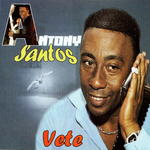
Vete
2008 · Album · 8 tracks
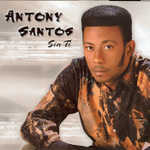
Sin ti
2009 · Album · 11 tracks
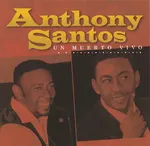
Un muerto vivo
2009 · Album · 15 tracks
El Mensaje
2010 · Album · 10 tracks
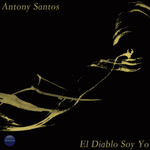
El Diablo Soy Yo
2011 · Album · 10 tracks
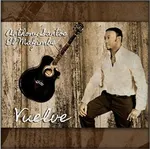
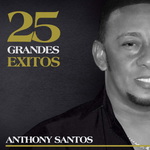
25 grandes éxitos
2014 · Album · 25 tracks
Cupido
2015 · Album · 10 tracks
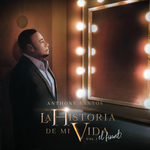
La historia de mi vida: El final, vol. 1
2018 · Album · 19 tracks
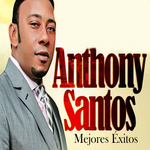
Mejores éxitos
2018 · Album · 20 tracks
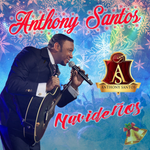
Navideños
2019 · Album · 10 tracks
Pistas Musicales, Vol. 1 (Instrumental)
2020 · Album · 14 tracks
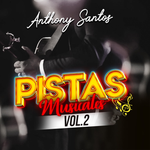
Pistas Musicales, Vol. 2 (Instrumental)
2020 · Album · 14 tracks
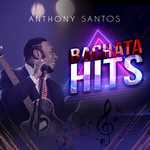
Bachata Hits
2021 · Album · 12 tracks
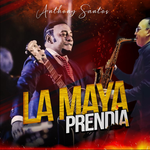
La Maya Prendia
2021 · Album · 10 tracks

Me Gustas Tú
2021 · Album · 13 tracks
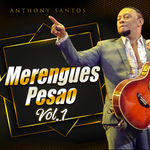
Merengues Pesao, Vol. 1
2021 · Album · 12 tracks

La Ladrona
2022 · Album · 14 tracks
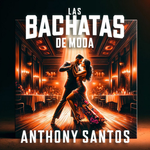
Las bachatas de moda
2024 · Album · 12 tracks
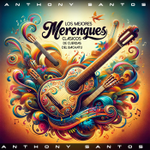
Los mejores merengues clásicos de cuerdas del bachatú
2024 · Album · 10 tracks

A fuerza de dolor
2025 · Album · 14 tracks

Creiste
2013 · Single · 1 track

Me Enamoro
2013 · Single · 1 track
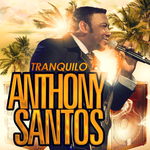
Tranquilo
2013 · Single · 1 track
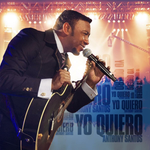
Yo Quiero
2013 · Single · 1 track
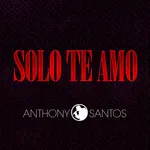
Solo te amo
2014 · Single · 1 track
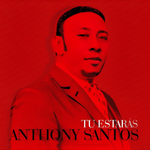
Tu Estarás
2014 · Single · 1 track
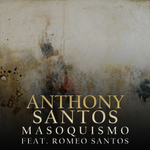
Masoquismo
2015 · Single · 1 track
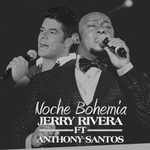
Noche bohemia
2015 · Single · 1 track
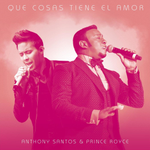
Qué cosas tiene el amor
2015 · Single · 1 track

Señor juez
2021 · Single · 1 track
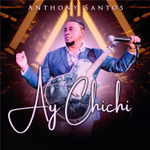
Ay Chichi
2023 · Single · 1 track
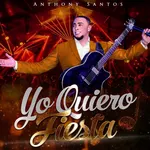
Yo quiero fiesta
2025 · Single · 1 track
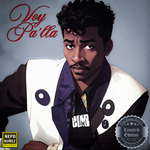
Voy Palla (Limited Edition)
1999 · EP · 7 tracks
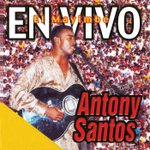
El Mayimbe En Vivo (Edited)
2002 · Broadcast · 19 tracks
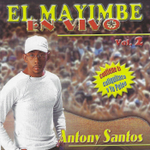
El Mayimbe, Vol. 2 (En Vivo)
2002 · Broadcast · 11 tracks
En Vivo, Vol. 3: Con Su Nuevo Estilo
2003 · Broadcast · 10 tracks
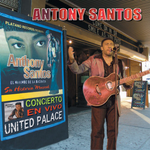
Concierto en Vivo United Palace
2004 · Broadcast · 21 tracks
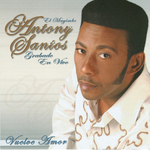
Vuelve Amor (En Vivo)
2004 · Broadcast · 10 tracks
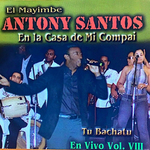
En La Casa De Mi Compay - En Vivo (Vol. 8)
2005 · Broadcast · 10 tracks
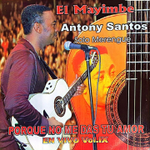
Solo Merengue: Porque No Me Das Tu Amor (En Vivo Vol. 9)
2006 · Broadcast · 12 tracks
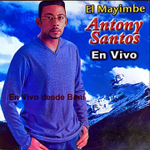
En Vivo, Desde Baní (Vol. 10)
2007 · Broadcast · 12 tracks
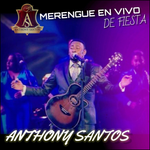
Merengue En Vivo De Fiesta
2020 · Broadcast · 10 tracks

Merengue Clásico (En Vivo)
2021 · Broadcast · 12 tracks
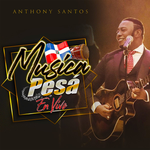
Música Pesá (En Vivo)
2021 · Broadcast · 11 tracks

En Vivo Se Goza Más (En Vivo)
2024 · Broadcast · 10 tracks