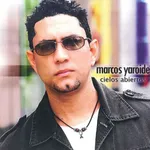
Cielos Abiertos
2006 · album · 10 tracks
Marcos Yaroide Mejía Rambalde (Santo Domingo, Dominican Republic, October 7, 1975) is a Dominican singer, songwriter, and pastor, recognized as one of the most influential figures in contemporary Christian music in the Spanish-speaking world. His career spans more than two decades, beginning with his role as a member of the duo Tercer Cielo and continuing through a strong solo career defined by spiritual pop aesthetics, testimonial lyrics, and active pastoral work.
Origins and Spiritual Formation
He is the son of Dominican accordionist Dionisio Mejía, known as “Guandulito,” and grew up in a musical environment deeply connected to Dominican folk traditions. At age 12, he recounts having a spiritual experience that shaped his life: a dream in which he heard a trumpet and saw Christians ascending to heaven, while being told he had not yet “bought his ticket” and needed to do so “because there is still time.” This episode became a thematic foundation for much of his work, centered on salvation, hope, and spiritual life.
Musical Career
His professional career began in 1999 when he joined Juan Carlos Rodríguez to form the duo Tercer Cielo. The project quickly became a major reference in Christian youth music, blending pop ballads with messages of faith. Their album Primer Amor sold more than 150,000 copies across Latin America and the United States, earning double gold certification and multiple recognitions in awards such as Tu Música and Paoli. Songs like «El rapto», «Ella y él», «Dios no te olvida», «Algún día», and «Ahora tengo más» became classics of contemporary Christian music. After three albums and nearly a decade of work, Yaroide ended his time with Tercer Cielo in 2006 to begin his solo career.
His solo debut came that same year with Cielos Abiertos, featuring the standout track «Todo se lo debo a Él». In 2008 he released Mi Mejor Alabanza, distributed by Machete Music, a label affiliated with Universal Music Latino. The version of «Todo se lo debo a Él» featuring urban artist Divino entered Billboard’s Latin Pop Songs chart, expanding his reach beyond the strictly Christian market. In 2010 he released Del Cielo a la Tierra, with songs such as «Mi trabajo es creer» and «Que se abran los cielos», solidifying his modern spiritual pop style.
In 2012 he released Todavía Hay Esperanza, which produced hits like «Bendice tu pueblo» and «Por una como ella», the latter remixed in merengue with Puerto Rican group Grupo Manía in 2013, demonstrating his ability to engage with tropical music while maintaining his Christian identity. In 2014 he released 15 Años Después Live, a live project commemorating his trajectory from Tercer Cielo to his solo work. His most recent studio album, La Vida Es (2017), explores themes of purpose, gratitude, and spiritual interpretation of everyday life.
Musical Style and Collaborations
Throughout his career he has collaborated with artists such as Divino, Alex Zurdo, Redimi2, R.K.M & Ken-Y, Cultura Profética, Abraham Velásquez, and others, positioning himself as a bridge between Christian music and the broader Latin pop and urban scene. His style blends pop ballads, tropical elements, and lyrics focused on faith, restoration, inner struggle, and hope, using accessible language for both youth and adult audiences.
Personal Life and Ministry
He is married to Laura Cardenes and is the father of Avril, Eden, Marko, and Aaron. Together they serve as pastors in the Dominican Republic, connected to the Centro de Adoración y Alabanza Cielos Abiertos, where they carry out community and ministerial work. Yaroide also participates occasionally in the media platform Alofoke Radio, where he discusses biblical topics and spiritual debates, extending his pastoral role into the media sphere.
Recognition and Legacy
He has been nominated several times for the Premios Soberano in categories related to contemporary Christian music. His legacy is recognized both for his contribution to the expansion of Spanish-language Christian pop and for his influence within Dominican culture, where his figure connects the musical tradition inherited from “Guandulito” with the modernization of faith-based music in the country.
2006 · album · 10 tracks

2008 · album · 12 tracks
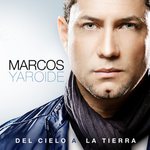
2010 · Album · 10 tracks
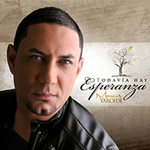
2013 · Album · 10 tracks

2014 · Album · 15 tracks
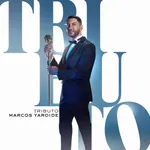
2022 · album · 10 tracks

2010 · Single · 1 track
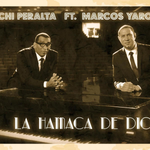
2012 · Single · 1 track
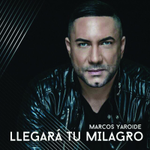
2017 · Single · 1 track
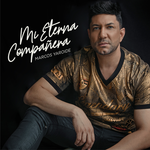
2018 · Single · 1 track