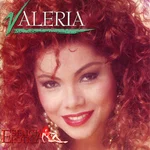
Esencia Erótica
1994 · album · 10 tracks
Valeria La Mujer is a Dominican bachata singer who came up in the early 2000s. Her billing is not a stage name she invented — it is what Luis Vargas calls her on the records, and it stuck.
Before bachata
She began as a balada and merengue singer. Bachata came afterwards, and it was a harder room to enter: in 2007 the Dominican press was still describing her arrival as a woman’s challenge to a men’s genre, which is an accurate description of what bachata was at the time.
She was not the first to try it — Aridia Ventura had been recording since the sixties and Sonia Silvestre had given the form a concert-hall voice — but the commercial bachata of the 2000s, the one on the radio, was almost entirely male.
Luis Vargas Presenta
Vargas opened the door and paid for it. Her album Luis Vargas Presenta: La Mujer came out under her own name with his direction and his money behind it, and she worked without a label of her own.
Soy Así is the record that explains the arrangement. It is a call and response between the two of them, an argument set to bachata, with Vargas announcing himself and then naming her: Valeria, la mujer. Un Hombre Como Tú works the same way. The duets did what they were meant to do — they carried her name to an audience that already trusted his.
Her own songs
The rest of the catalogue is hers alone. Cuando Una Mujer, Acuérdate, Cobarde, Infiel, Besos Callejeros, Por Despecho and Qué Noche came off the album; La Tenía, Te Cerré La Puerta, Ni Pariente Somos, La Popola, Insensible A Ti, La Millonaria, Amor De Pena and Algo Raro followed.
The subjects are the ones bachata always sings about — betrayal, spite, a door closed — told from the other side of them. That reversal is the whole reason the records were worth making.
1994 · album · 10 tracks
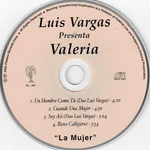
2002 · album · 9 tracks