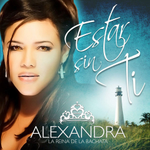
Estar sin ti
2016 · Album · 13 tracks
Alexandra Cabrera de la Cruz, who records as Alexandra and is billed as La Reina de la Bachata, was born in Santo Domingo on 19 October 1978. She was the female voice of Monchy & Alexandra and has worked alone since 2008 — the woman who made bachata a conversation instead of a complaint.
An audition that ended a degree
She sang at family gatherings as a child and was at university in 1998 when the arranger Mártires de León and the executive producer Víctor Reyes held auditions for a woman to pair with a singer from La Romana. She won it and never went back to her studies.
Her partner had already recorded his half. The song was Una Hoja en Blanco, a Colombian vallenato written by Wilfran Castillo and made known by Omar Geles with Los Diablitos, rebuilt as bachata. She put her voice on the other side of a record made by a man she had not met.
What the second voice changed
She has given the clearest account anybody has of why the duo travelled. Their early singles came out of vallenato, and vallenato writes sweeter, more romantic lyrics than the bachata of the time.
Bachata was amargue — bitterness — and it was sung by men about women. Putting a woman on the record does not soften that so much as answer it: the other side of the argument acquires a voice and stops being a subject. Every mixed bachata duet since works in the space she opened.
Ten years and the end
Between 1998 and 2008 she and Monchy made Hoja en Blanco, Confesiones, Hasta el Fin, a live album and two compilations, and the songs that carry her voice — Te Quiero Igual Que Ayer, Dos Locos, Perdidos, No Es Una Novela — are the bachatas most listeners outside the country learned first.
In 2006 she sang La Otra with Ilegales, stepping outside bachata into the harder tropical sound of that group.
The duo ended in September 2008. Her partner has said publicly that the decision was hers and that he was informed of it rather than consulted; she has not disputed the account, and neither has pursued a reunion beyond the single 2019 recording of Años Luz for Romeo Santos.
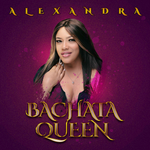
Bachata Queen
Alone she took the billing that had followed her for years and made it a record. Bachata Queen collects Tú, Yo No Soy Esa and the rest of her solo work, and in 2021 it was nominated for the Latin Grammy for best merengue or bachata album — the year Sergio Vargas won it, in a field that also held Fernando Villalona.
She followed it with a merengue album, which for a singer defined by one genre is a deliberate move rather than a detour. Thirty years on from the audition she is still the reference point every Dominican woman singing bachata is measured against.
2016 · Album · 13 tracks

2020 · Album · 13 tracks
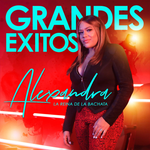
2020 · Album · 16 tracks
2022 · Album · 8 tracks
2010 · Single · 1 track
2012 · Single · 1 track
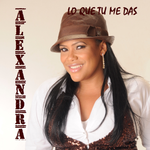
2013 · Single · 1 track
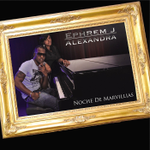
2013 · Single · 1 track

2016 · Single · 4 tracks
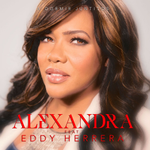
2017 · Single · 1 track
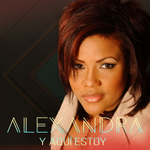
2018 · Single · 1 track

2019 · Single · 1 track

2019 · Single · 1 track

2019 · Single · 1 track

2020 · Single · 1 track

2020 · Single · 1 track

2020 · Single · 1 track

2020 · Single · 1 track
2020 · Single · 1 track
2021 · Single · 1 track

2021 · Single · 1 track

2022 · Single · 1 track
2022 · Single · 1 track