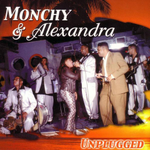
Unplugged
2000 · Album · 12 tracks
Monchy & Alexandra were a Dominican bachata duo who worked together from 1998 to 2008. Monchy — Ramón Rijo, from La Romana — and Alexandra — Alexandra Cabrera de la Cruz, from Santo Domingo — were the first bachata act to carry the genre abroad as bachata, and the records they made in those ten years are the reason a music of Dominican bars became a music of foreign radio.
A hit recorded before they met
Monchy had sung in a trío and earned a place on the Bachatazos compilations, which is where his voice was first heard. The arranger and producer Mártires de León, from La Romana like him, and the executive producer Víctor Reyes were looking for a woman to pair him with, and held auditions.
Alexandra was at university in 1998 when she went to one. She won it, and her studies stopped there.
The strange part is the order of events: their first hit was recorded without the two of them ever having been in the same room. Rijo had already put his vocal down while the search for the second voice was still running.
Hoja en Blanco
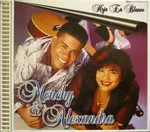
The debut album came out in 1999 and moved slowly. Visa problems kept them from touring it and unauthorised cover versions circulated ahead of the original.
It caught in Miami. Requests for the song came in until the tropical stations WXDJ and WRTO opened Sunday afternoon bachata programmes and then folded the music into their regular hours — WXDJ went as far as putting the word bachata into its slogan. In April 2001 they became the first bachata act to perform on Sábado Gigante, and Hoja en Blanco began to climb the American charts.
The vallenato inside the bachata
Alexandra has explained their reach as a musical argument rather than a promotional one. Their early singles had roots in vallenato, and vallenato lyrics are sweeter and more romantic than what bachata was writing at the time.
Bachata was a male genre of bitterness — amargue is the word for it — sung by men about women who had wronged them. A duet changes that arithmetic: two people singing to each other cannot be one person complaining about the other. What Juan Luis Guerra had done was give bachata respectability in the concert hall; what this duo did was give it a second voice.
Confesiones and Hasta el Fin
Confesiones arrived in 2002 and took the Latin Billboard award for tropical album of the year; Te Quiero Igual Que Ayer took tropical song and duo or group of the year at the Billboard Latin Music Awards the same season. Dos Locos came from that period and is still one of the two songs anyone can name.
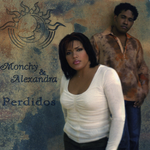
Hasta el Fin, released on 19 October 2004, was their third and last studio album and their commercial ceiling: their first record to enter the Billboard 200 and their first number one on the tropical albums chart. Perdidos, from it, reached the Hot 100 and went to number one on the tropical songs chart.
Éxitos y Más followed in 2006 as a compilation with three new songs attached — Te Regalo, Corazón Prendido and No Es Una Novela. The last of those won tropical song of the year at Premios Lo Nuestro in 2007, and the album took tropical album of the year at the same ceremony.
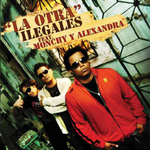
Around the records they sang with Ilegales on La Otra, with Don Miguelo on Dame Una Noche Mujer, and with the Salvadoran Álvaro Torres on He Venido a Pedirte Perdón. Unplugged, The Mix and the live En Vivo Desde Bellas Artes fill out the catalogue, along with Te Quiero Igual Que Ayer, No Ha Sido Fácil, Polos Opuestos, Pasión and Eras Diferente.
The separation
On 15 September 2008 Monchy announced that the duo was over. By his account the decision was Alexandra’s, taken without consulting him, and he was told during a tour stop in Milan.
Neither has softened the account since. He has said in the Dominican press that the two of them were never friends, and both have made clear they are not interested in working together again. He went on to form Monchy & Nathalia in 2011; she continued alone as Alexandra.
Años Luz
They sang together once more. In 2019 Romeo Santos brought them back for Años Luz, on his album Utopía, a record built out of reunions with the bachata artists he grew up on. Santos has said that getting the two of them into the project was the hardest thing he had to do on it.
They said at the time that it changed nothing, and it did not.
Legacy
Bachata went global in the 2000s through two doors. One was Aventura and, after it, Romeo Santos, working from New York. The other was this duo, working from Santo Domingo and La Romana and singing it straight. They were the first group to take amargue out of the country as itself, and the shape of the genre today — romantic, sung by two voices as often as one, playable on a radio station that had never played it — is largely what they left.
2000 · Album · 12 tracks
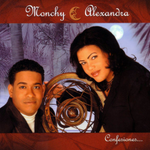
2002 · Album · 13 tracks
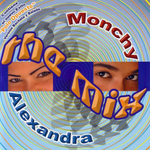
2003 · Album · 12 tracks

2004 · Album · 14 tracks
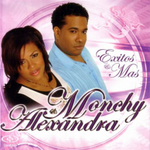
2006 · Album · 46 tracks

2008 · Album · 23 tracks

2015 · Album · 20 tracks
2015 · Album · 16 tracks
2018 · Album · 28 tracks
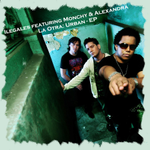
2007 · EP · 2 tracks