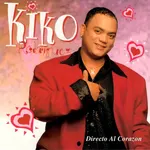
Directo al corazón
1995 · Album · 10 tracks
Kiko Rodríguez, born José Francisco Henríquez Peña, is a Dominican bachata singer and songwriter. He has been making records for three decades without a break in them, and the song most people know him by is one he sings on somebody else’s album.
Tamboril
He is from Tamboril, the cigar town north of Santiago, and more precisely from Canca Arriba, the same small place that produced Zacarías Ferreira. For a town of its size that is an improbable return, and it is part of why bachateros talk about the Cibao the way they do.
The family had no money. He was on percussion young, moved to the guitar and had it under control quickly, and was writing songs and singing before he was old enough to be paid properly for either. Music in that house was not a hobby that might become a career; it was a way of bringing something in.
The parish rondalla
At twelve he joined the rondalla of the Canca Arriba parish and stayed six years, playing the drum. A church rondalla is an unglamorous apprenticeship and an unusually thorough one: you learn to hold a tempo for other people, to sing in a group, and to turn up on time every week for years.
What he wanted was bachata, which the parish was not going to give him. With friends and family behind him he put together a group called Los Modernos del Amargue and worked it as both percussionist and singer.
Los Claveles Míos
Elvin Productions, working as Discomanía, was watching the new groups and signed him. His debut arrived in 1994, and the sleeve, the label copy and the records themselves disagree slightly about its title because the title is really the billing: Los Claveles Míos was the name of his band, and the first thing you hear on the opening track is him announcing Kiko Rodríguez y los claveles míos over the intro.
Two songs off it settled his career. El Verde de Tus Ojos, which he wrote, is still the one a Dominican crowd waits for. Ya Te Olvidé was written by Zacarías Ferreira — the neighbour from Canca Arriba, at that point not yet the star he became — and the distribution credits carry his name on it to this day.
A record most years
Then the albums simply keep coming: Directo al Corazón, Epidemia de Amor and Sentimientos y Más through the rest of that decade, then Dulce Mujer de mi Vida, Sombras de un Pasado, Vete y Vuelve Otra Vez, Otra Vez con Amor, Nací de Nuevo and No lo Esperaba de Ti. Most of them came out through Elvin Productions.
By the time he released Diferente he had been at it twenty-three years and a national newspaper counted the album as his eighteenth. That is the useful number about him. Elvis Martínez, Frank Reyes and Raulín Rodríguez all built the same kind of career in the same years, and what the four of them share is not a hit but a rate of work.
The kiss he did not give
El Beso Que No Le Di is a duet on Romeo Santos’s album Utopía, a record built entirely out of the older bachateros the singer grew up on. Kiko Rodríguez is the one he asked for that song, and it turned into the biggest thing either of them did that year.
It took the Soberano for Bachata del Año, the principal award in Dominican music. The statuette reached him late, because the ceremony that would have handed it over was not held and the next one covered two years at once, so a song judged best of one year was collected on a stage two years later.
He also sang Para Qué Llorar as a duet with Luis Segura, on the album assembled around the man the genre calls its father — an invitation that says fairly precisely where the bachata establishment files him.
Still recording
Corazón Lastimado, arranged and directed by Robinson Hernández, was released as the first taste of an album he had then been cutting for a year. Comerte a Besitos followed, then Usted No Sabe, then more singles after that, and he keeps a touring circuit going through the United States, Europe and Central America.
He turns up regularly on Dominican television playing the old songs live, which is where the case for him is easiest to make: El Chaval de la Bachata and the rest of that generation are judged on whether the voice still does in a studio what it does on a stage, and his does.
1995 · Album · 10 tracks
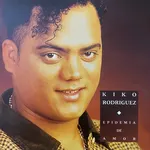
1996 · Album · 10 tracks
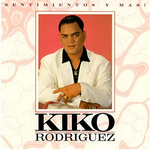
1997 · Album · 10 tracks
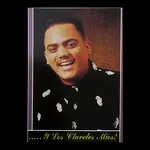
1999 · Album · 10 tracks
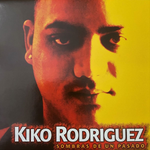
2002 · Album · 10 tracks
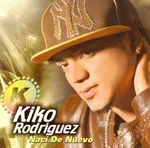
2008 · Album · 11 tracks
2010 · Album · 44 tracks
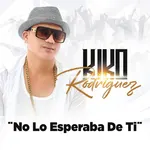
2010 · Album · 10 tracks
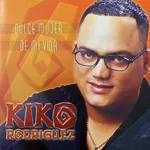
2011 · Album · 10 tracks
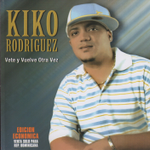
2011 · Album · 10 tracks