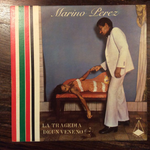
La tragedia de un veneno
1970 · Album · 10 tracks
Marino Pérez — Esteban Marinito Pérez, born in Guayabo Dulce, Hato Mayor del Rey, on 26 December 1946 and dead in San Pedro de Macorís on 26 July 1991 — was a Dominican singer, guitarist and songwriter. He is called the father of bachata de amargue, and he wrote about prison, poverty, prostitution and drink at a time when respectable Dominican radio would not say those words.
Thirty-five cents a day
He grew up in the countryside, fishing and swimming in the rivers that later turned up in his songs. At fourteen he went to cut sugar cane for thirty-five cents a day.
His sister had moved to Placer Bonito, in San Pedro de Macorís. Nine years later he followed her there, and the city is where the music started: he fell in with Negro Sánchez, Suri Domínguez, Julito Reyes and Ramón Marrero, and they wrote together at Sánchez’s house up in Loma del Cochero. His first two records, Sin Rumbo and Entre Copa y Copa, sold nothing.
Los Cibernéticos
In the seventies Cristóbal Acosta put together Los Dominicanos del Ritmo — everyone called them Los Cibernéticos — and Marino joined. They met at El 28, a place on calle 30 de Marzo, and that room is where the group took shape.
Aclamando el Licor was the record that broke him open. The announcers carried it: Gregorio Justiniano on Radio Mar, Michel and Domingo de los Santos on Radio Dial, Edwin Emmanuel — El Bravo — on Radio Oriente. With Los Cibernéticos he filled the Apollo Disco Club. Tony Berroa played second guitar for him.
What the songs were about
El Trago de Olvidar, De Taberna en Taberna, La Espero Bebiendo, Quiero Beber, Bebiendo Seguiré. The titles are the argument. He sang about the cantina and the woman who left and the bottle that follows, and he did it without the self-pity or the leering that the genre’s critics accused it of.
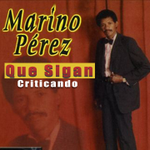
His way of living drew the criticism you would expect, and he answered it with a song: Que Sigan Criticando. Ay Mami, La Historia de Marino and No La Quiero Ver Con Otro are the ones that are still played.
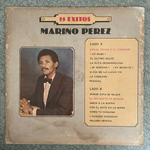
The albums run from La Tragedia de un Veneno in 1970 through Boleros and Los Éxitos de Marino Pérez in 1979, Por Mi Madre Que Yo No Fui in 1980, De Eso Me Río Yo in 1981 and 15 Éxitos in 1985.
What he never collected
Other people made money from his writing. Wilfrido Vargas took versions built on his compositions to international success. Pérez had nobody advising him on rights, the labels kept the ownership, and he was chasing airplay rather than royalties, which is how it worked then for everyone in his position.
The funeral
He died at home, on calle Romana Gonzáles in the barrio México of San Pedro de Macorís, at forty-four. Radio Dial announced it and the city came out. The cortege reached the cemetery near Santa Fe while people were still filing out of parque Duarte behind it — one of the largest funerals the city has seen.
The songs never left the radio. A documentary about him was presented in 2017; Vakeró has taken his bachata into rap; and singers still build tribute sets around him and Ramón Cordero.
1970 · Album · 10 tracks
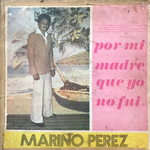
1972 · Album · 15 tracks
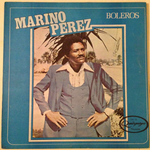
1974 · Album · 10 tracks
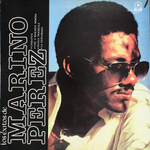
1979 · Album · 10 tracks
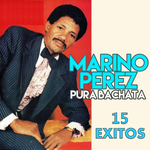
1979 · Album · 15 tracks
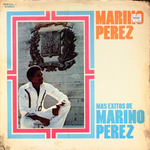
1980 · Album · 10 tracks
1981 · Album · 10 tracks
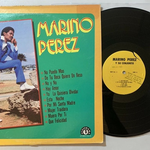
1984 · Album · 10 tracks
1985 · Album · 15 tracks
1985 · Album · 20 tracks
2017 · Album · 12 tracks
2017 · Album · 13 tracks
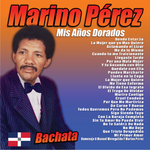
2018 · Album · 25 tracks