Licuado Vol. 2 - Caña y Algodón (Cane and Cotton)
1997 · Album · 8 pistas
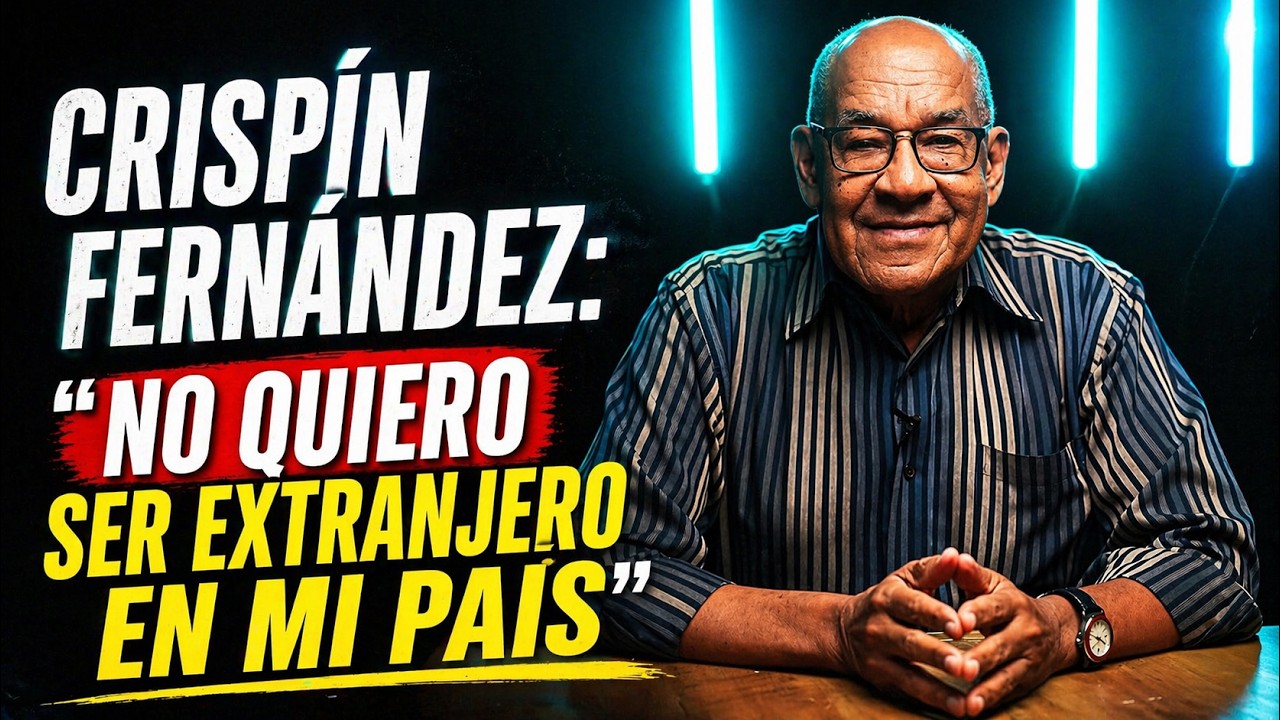
Crispín Fernández, de nombre Crispín Fernández Minaya, nacido en Villa Vásquez, es saxofonista, flautista, director y maestro dominicano. Participó en buena parte del merengue grabado en las dos décadas alrededor de 1990, casi siempre sin que la carátula lo acreditara.
El jaleo
El jaleo es la figura de saxofón que corre por debajo de un merengue: la línea rápida, repetida y engranada que hace mover el ritmo. Suena a lo más fácil de la música y es de lo más difícil de grabar: tiene que estar limpia a velocidad, exacta en el tiempo, y tiene que tener swing; falla una fracción en cualquiera de las tres y el tema entero se cae.
Él es el hombre al que a los demás saxofonistas les mandaban a parecerse. Los productores de esa época rechazaban al que no pudiera hacerlo a su manera. Entre los músicos dominicanos se le dice el rey del jaleo, y no es una frase de promoción: viene de otros saxofonistas.
La estirpe a la que pertenece es corta. Félix del Rosario dirigía una banda y Tavito Vásquez era el gran solista; Sócrates de León es el otro nombre que siempre está en la lista. Crispín es el que definió cómo suena el instrumento en un disco y no en una tarima.
Aprenderlo
Empezó a los ocho años en la academia de música de su propio pueblo y se fue a la capital a los quince. Fue músico asimilado de la Banda de la Policía Nacional, y fue ahí donde Tavito Vásquez lo tomó bajo su ala: la tutoría con la que empieza todo relato sobre él.
Nueva York vino después, y él la trató como una escuela. Estudió flauta con un profesor ruso, y armonía y técnica del saxofón con Mario Rivera, el dominicano que más lejos había llegado dentro del jazz. Anduvo alrededor de Mario Bauzá y de Tito Puente, que es donde un metal caribeño de esa generación aprendía lo que de verdad exige una big band.
Entre 1980 y 1982 tocó flauta y flautín en la Orquesta Sinfónica Nacional. Un músico de sesión de merengue ocupando una silla de sinfónica no es una carrera normal, y explica lo primero que los músicos mencionan siempre de él, que es el sonido.
Los años de estudio
Cuando el merengue se puso romántico y los estudios se llenaron, él se volvió la manera más rápida y segura de dejar una línea de metal grabada. Tocó en discos tempranos de Juan Luis Guerra 4.40, Alex Bueno, Sergio Vargas y Ramón Orlando. Ya había trabajado con Johnny Ventura, con Conjunto Quisqueya y con Primitivo Santos y su Orquesta, y después con Pochy y su Cocoband.
Juan Colón —saxofonista y autor del método de referencia sobre el jaleo— calcula que Crispín es responsable del ochenta por ciento de todo el merengue grabado entre 1981 y 2002. Es la cifra de un experto, imposible de auditar, y en el gremio nadie discute el orden de magnitud.
Subir la tarifa
La parte de esto que pertenece al registro de la música dominicana no tiene nada que ver con cómo toca. Él peleó, solo, por lo que valía una sesión. Lo sacaron de estudios por eso más de una vez, y cada vez volvieron a buscarlo, porque no había nadie más capaz de hacer el trabajo a ese nivel.
Logró subir el precio. Después otros músicos pidieron lo mismo y lo consiguieron. Una sesión de grabación es un salario, ese salario lo fijaba quien estuviera dispuesto a aceptarlo, y un solo músico negándose a aceptarlo movió el piso para todos los que vinieron detrás.
Ponerlo en papel
El jaleo era una forma oral: se aprendía de los discos y del que estaba al lado. Él escribió tres métodos —Jaleos de Merengue, Melodías de Merengue y Jaleos Típicos del Merengue Dominicano— que lo ponen sobre el papel para instrumentos en distintas claves, de modo que un estudiante en cualquier parte pueda trabajarlo sin un dominicano en el cuarto.
Ha dado clases en el Conservatorio Nacional de Música y dirigido su departamento de música folclórica y popular, ha enseñado en Nueva York y en Santiago, y ha dado talleres de instrumento por todo el país.
Licuado
Su propio grupo se llama Licuado, y hace lo que dice el nombre con el merengue, el jazz y la técnica clásica. Existen tres volúmenes, y el tercero incluye un tributo a Antony Santos grabado dos veces, una en bachata y otra en son montuno, que es una declaración bastante precisa de para qué existe el grupo.
Es miembro fundador de la Santo Domingo Jazz Big Band y sigue tocando los festivales. A los sesenta años de carrera, es de los pocos músicos dominicanos cuya reputación descansa por completo en lo que dicen de él otros músicos.
Entrevistas, conversaciones y material de archivo relacionado con este artista.

April 23, 2026


February 27, 2024
1997 · Album · 8 pistas
1997 · Album · 9 pistas