Biografía
Antony Santos, nacido Domingo Antonio Santos Muñoz el 5 de mayo de 1967, es un cantante, guitarrista, compositor y productor dominicano, y la figura más determinante en la transformación de la bachata de música rural estigmatizada al género popular dominante del país. Conocido como "El Mayimbe," salió de la línea noroeste tocando güira detrás de otro, y en menos de tres años como solista ya había reescrito lo que a la bachata le estaba permitido sonar.
Primeros años y la güira
Santos nació en Clavellinas, un paraje rural de Las Matas de Santa Cruz, provincia de Montecristi, en la pobreza severa: el trabajo de su padre era inestable y la comida no estaba asegurada. Se fabricó sus primeros instrumentos con botellas rotas antes de tener una guitarra.
Entró al negocio a finales de los años ochenta no como cantante sino como güirero, tocando percusión detrás del bachatero Luis Vargas. Fue el aprendizaje correcto: la bachata es un género de músico de ritmo antes que de cantante, y esos años metido en su percusión le dieron un instinto que se nota en todo lo que después produjo él mismo.
La Chupadera y «Voy pa’llá»
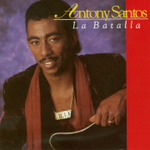
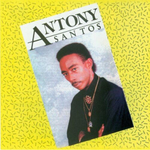
Salió por su cuenta en 1991 con el álbum La Chupadera, y su sencillo «Voy pa’llá» logró algo que ninguna bachata había logrado antes: convirtió en estrella nacional a un bachatero de origen campesino, y llegó a las comunidades dominicanas de Estados Unidos. Los discos vinieron rápido: La batalla en 1992, Corazón bonito en 1993, Corazón culpable en 1994, y a mitad de la década la discusión sobre quién mandaba en el género estaba prácticamente cerrada.
Lo que le cambió a la bachata
La bachata que Santos heredó era música de cantina y de burdel, cantada en registro áspero sobre el trago y la traición, y despreciada en consecuencia. Lo que él le trajo fue vulnerabilidad romántica — un hombre cantando llanamente sobre el dolor en vez de hacerse el duro — y ese giro hizo más por volver el género respetable que cualquier campaña.
También le cambió el sonido. Metió saxofón, teclados y cuerdas, instrumentos que el estilo nunca había usado; fue exigente con guitarras y pedales como no lo habían sido los bachateros; y subió el estándar de producción de toda la industria simplemente por poner él la vara más alta. Además se apoyó mucho en el merengue dentro de sus discos, y eso fue estratégico: los dominicanos que todavía consideraban la bachata por debajo de ellos ya bailaban merengue sin problema, y él usó esa comodidad como puerta de entrada.
La trinidad
Santos, Luis Vargas y Raulín Rodríguez vienen todos del mismo tramo de la frontera noroeste y se nombran juntos como la trinidad de la bachata dominicana. Su relación con Vargas en particular funcionó como una larga rivalidad pública que les vendió discos a los dos durante años. En 2011 los tres coincidieron en «Debate de 4», una grabación de Romeo Santos que puso en un mismo tema a la generación que construyó la bachata moderna — una cumbre que el género nunca había montado.
Reconocimientos
Los galardones se acumularon a lo largo de tres décadas:
cinco premios Casandra/Soberano como Bachatero del Año, en 1996, 2007, 2009, 2013 y 2019,
el Gran Soberano en 2019, la máxima distinción de las artes dominicanas,
el primer concierto en solitario de un bachatero tradicional en el Madison Square Garden, en 2014,
el número uno de la lista Tropical Airplay de Billboard con «Solo te amo» en 2014,
y la proclamación del 8 de agosto como «Día de Anthony Santos» en la ciudad de Nueva York, en 2019.
Es el segundo músico dominicano en cargar el título de "El Mayimbe" — palabra taína para el cacique de un pueblo — después del merenguero Fernando Villalona; también responde a "El Bachatú."
Carrera posterior y alcance
Santos ha grabado unos veintitrés álbumes de estudio y sigue activo: publicó La historia de mi vida: el final, Vol. 1 en 2018 y A fuerza de dolor en 2025. Artistas más jóvenes lo han buscado por encima de la brecha generacional — Romeo Santos, Ozuna y Prince Royce entre ellos — y en 2022 Bad Bunny sampleó la introducción de su «No te puedo olvidar» en «Tití me preguntó», poniendo una bachata dominicana de los noventa frente al público más grande del pop global.
Legado
Santos es donde empieza la bachata moderna. Casi todo bachatero romántico posterior — y, a un paso de distancia, toda la industria internacional de la bachata levantada por Aventura y sus sucesores — trabaja dentro de una plantilla que él fijó entre 1991 y 1995: la letra vulnerable, la guitarra melódica al frente, la instrumentación ampliada, los estándares de producción.
El argumento cultural pesa tanto como el musical. La bachata era música que los dominicanos respetables no admitían escuchar; Santos fue el artista que volvió insostenible esa vergüenza, y lo hizo desde Clavellinas y no desde la capital. Su catálogo es el registro de un género cambiando de clase social, y "El Mayimbe" es el título que el país le dio por eso.
Discografía
La chupadera
1992 · Album · 12 pistas
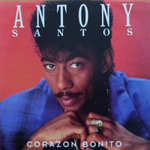
Corazón bonito
1993 · Album · 12 pistas
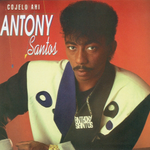
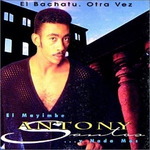
El Mayimbe... y nada más
1995 · Album · 10 pistas
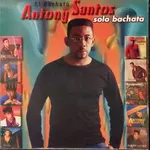
Solo bachata
1995 · Album · 13 pistas
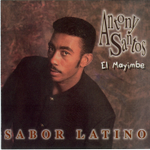
Sabor latino
1996 · Album · 12 pistas
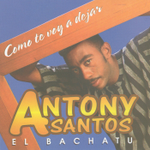
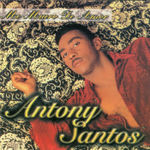
Me Muero De Amor
1998 · Album · 10 pistas
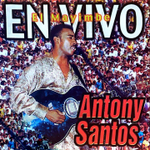
El Mayimbe en Vivo
1999 · Album · 18 pistas
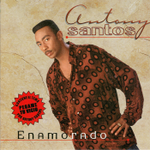
Enamorado
1999 · Album · 10 pistas
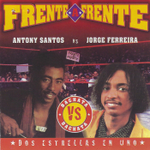
Frente a frente: Dos estrellas en uno
2000 · Album · 10 pistas
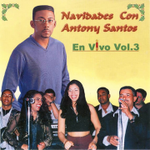
Navidades Con Anthony Santos - En Vivo (Vol. 3)
2000 · Album · 6 pistas
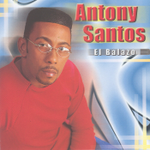
El balazo
2001 · Album · 10 pistas
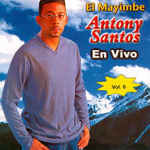
El Mayimbe en Vivo (Vol. 6)
2002 · Album · 12 pistas
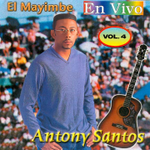
El Mayimbe en Vivo Vol. 4
2002 · Album · 9 pistas
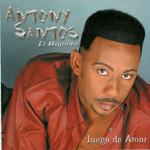
Juego de amor
2002 · Album · 10 pistas
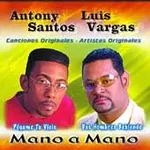
Mano A Mano
2002 · Album · 12 pistas
Los Merengues del Mayimbe (En Vivo)
2003 · Album · 16 pistas
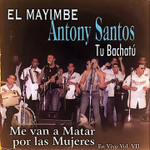
Me Van a Matar por las Mujeres. En Vivo, Vol. 7
2004 · Album · 14 pistas
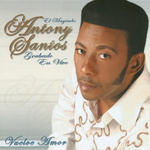
Vuelve amor
2004 · Album · 10 pistas
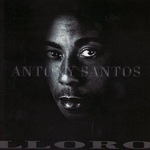
Lloro
2005 · Album · 10 pistas
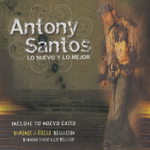
Lo nuevo y lo mejor
2005 · Album · 12 pistas
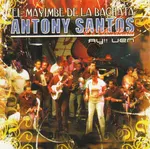
Ay! Ven
2006 · Album · 10 pistas
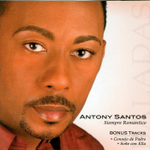
Siempre Romántico (Baladas)
2006 · Album · 12 pistas
No nos vamos a olvidar
2007 · Album · 8 pistas
Quiero Rabo, En Vivo Vol. 11
2007 · Album · 6 pistas
Cuantos Días Más - En Vivo Vol. 12
2008 · Album · 17 pistas
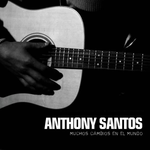
Muchos cambios en el mundo
2008 · Album · 10 pistas
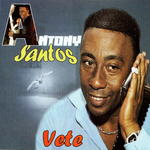
Vete
2008 · Album · 8 pistas
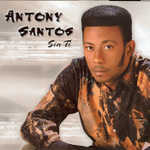
Sin ti
2009 · Album · 11 pistas
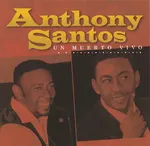
Un muerto vivo
2009 · Album · 15 pistas
El Mensaje
2010 · Album · 10 pistas
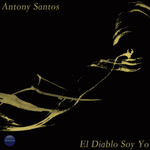
El Diablo Soy Yo
2011 · Album · 10 pistas
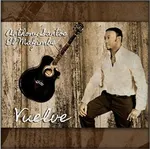
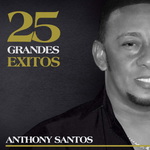
25 grandes éxitos
2014 · Album · 25 pistas

Cupido
2015 · Album · 10 pistas
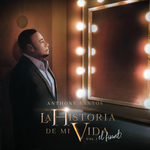
La historia de mi vida: El final, vol. 1
2018 · Album · 19 pistas
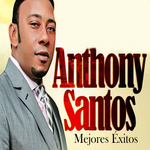
Mejores éxitos
2018 · Album · 20 pistas
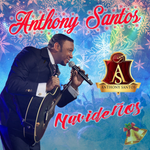
Navideños
2019 · Album · 10 pistas
Pistas Musicales, Vol. 1 (Instrumental)
2020 · Album · 14 pistas
Pistas Musicales, Vol. 2 (Instrumental)
2020 · Album · 14 pistas
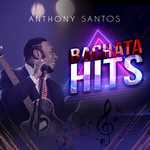
Bachata Hits
2021 · Album · 12 pistas
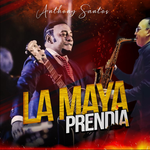
La Maya Prendia
2021 · Album · 10 pistas
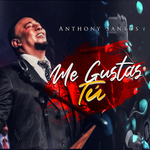
Me Gustas Tú
2021 · Album · 13 pistas
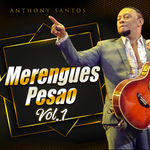
Merengues Pesao, Vol. 1
2021 · Album · 12 pistas

La Ladrona
2022 · Album · 14 pistas
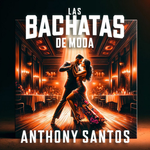
Las bachatas de moda
2024 · Album · 12 pistas
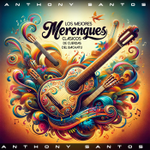
Los mejores merengues clásicos de cuerdas del bachatú
2024 · Album · 10 pistas

A fuerza de dolor
2025 · Album · 14 pistas

Creiste
2013 · Single · 1 pista

Me Enamoro
2013 · Single · 1 pista
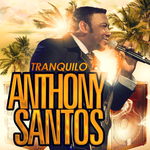
Tranquilo
2013 · Single · 1 pista
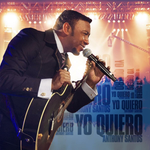
Yo Quiero
2013 · Single · 1 pista
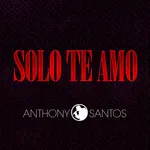
Solo te amo
2014 · Single · 1 pista
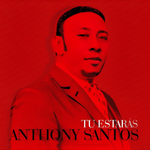
Tu Estarás
2014 · Single · 1 pista
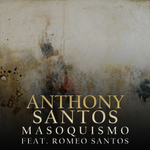
Masoquismo
2015 · Single · 1 pista
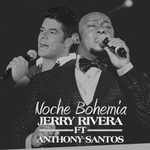
Noche bohemia
2015 · Single · 1 pista
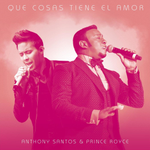
Qué cosas tiene el amor
2015 · Single · 1 pista
Señor juez
2021 · Single · 1 pista
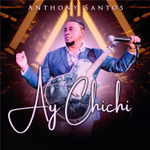
Ay Chichi
2023 · Single · 1 pista
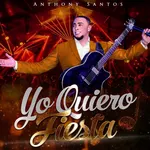
Yo quiero fiesta
2025 · Single · 1 pista
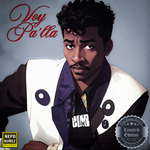
Voy Palla (Limited Edition)
1999 · EP · 7 pistas
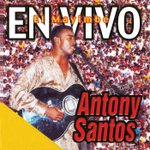
El Mayimbe En Vivo (Edited)
2002 · Broadcast · 19 pistas
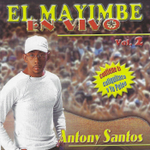
El Mayimbe, Vol. 2 (En Vivo)
2002 · Broadcast · 11 pistas
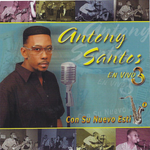
En Vivo, Vol. 3: Con Su Nuevo Estilo
2003 · Broadcast · 10 pistas
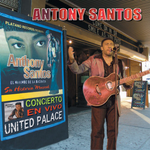
Concierto en Vivo United Palace
2004 · Broadcast · 21 pistas
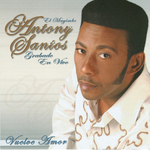
Vuelve Amor (En Vivo)
2004 · Broadcast · 10 pistas
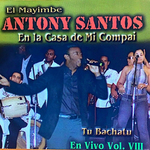
En La Casa De Mi Compay - En Vivo (Vol. 8)
2005 · Broadcast · 10 pistas
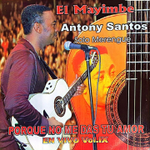
Solo Merengue: Porque No Me Das Tu Amor (En Vivo Vol. 9)
2006 · Broadcast · 12 pistas
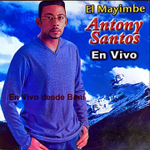
En Vivo, Desde Baní (Vol. 10)
2007 · Broadcast · 12 pistas
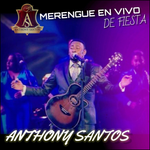
Merengue En Vivo De Fiesta
2020 · Broadcast · 10 pistas

Merengue Clásico (En Vivo)
2021 · Broadcast · 12 pistas
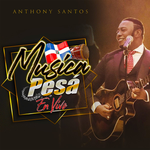
Música Pesá (En Vivo)
2021 · Broadcast · 11 pistas

En Vivo Se Goza Más (En Vivo)
2024 · Broadcast · 10 pistas